










Due to the special requirements of special optical fiber cables in specific environments and applications, their quality inspection involves a series of complex and sophisticated technologies. The following are several key technologies used to ensure the high quality and reliability of special optical fiber cables.
1. Optical property test Optical attenuation test: Use optical time domain reflectometer (OTDR) to measure the loss of optical fiber, which is a basic indicator for evaluating the transmission performance of optical fiber. Dispersion test: Measuring the difference in propagation speed of light waves of different frequencies in optical fiber, which is particularly important for high-speed data transmission. Polarization mode dispersion (PMD) test: Used to evaluate the effect of optical fiber on polarization state, which is critical for some communication systems.
2. Mechanical performance test Tensile strength test: Measure the ability of optical fiber cables to withstand stretching to ensure that they will not be damaged during installation and use. Bending performance test: Evaluate the signal transmission capability of optical fiber under bending conditions, especially for optical cables that require high flexibility. Torsion test: Measure the ability of optical cable to resist torsional stress to ensure stability when rotating or winding.
3. Environmental adaptability test High and low temperature test: Verify the performance and reliability of optical fiber cables under extreme temperature conditions. Wet heat test: Evaluate the waterproof and corrosion resistance of optical fiber cables in high humidity environments. Chemical corrosion test: Check the resistance of optical fiber cables to specific chemicals, such as oil, acid or alkali.
4. Electrical performance test Shielding effectiveness test: For optical cables containing metal reinforcement or conductive layers, test their shielding effectiveness to evaluate the ability to resist electromagnetic interference.
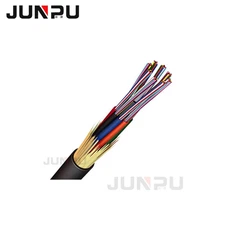
5. Structural integrity test Appearance inspection: Check the external damage, distortion or defects of the optical cable. Cross-sectional analysis: Observe the internal structure of the optical cable through a microscope to check the optical fiber arrangement and the quality of the protective layer.
6. Accelerated aging test simulates long-term use conditions to evaluate the durability and life of optical fiber cables.
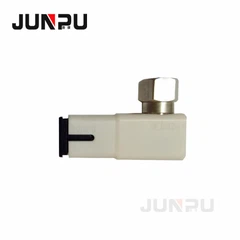
7. Interconnectivity test Connector plug-in test: Ensure the durability and stability of the optical cable connector.
8. Compatibility test Compatibility with other equipment or systems: Ensure the compatibility of optical fiber cables with existing network equipment in actual applications. These tests are usually performed by specialized laboratory equipment, such as OTDR, spectrum analyzer, tensile machine, environmental test chamber, etc., to ensure compliance with international standards and industry specifications. In the context of intelligent production, these tests may also integrate automated testing systems and data analysis platforms to improve testing efficiency and accuracy.