








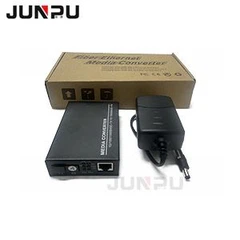



FTTH Optical Receiver
What Is FTTH Optical Receiver
FTTH Optical Receiver is a device that receives optical signals transmitted through fiber optic cables and converts them into electrical signals that can be used by digital devices such as televisions, computers, and mobile phones. It is commonly used in Fiber-to-the-Home (FTTH) networks to enable high-speed internet access, digital telephone service, and television services. The receiver is typically installed in the customer's premises and is connected to an Optical Network Terminal (ONT) or a modem to decode the digital signals. It plays a crucial role in delivering reliable and high-quality services to end-users in FTTH networks.
Advantages of FTTH Optical Receiver
Improved Internet Speed: With an FTTH optical receiver, it is possible to achieve faster internet speeds. This means that users can enjoy a better browsing experience, faster downloads, and smoother streaming of high-quality videos.
Better Signal Quality: FTTH optical receiver ensures better signal quality when compared to traditional copper-based networks. The fiber optic cables are less prone to interference, attenuation and offer a more stable connection for uninterrupted connectivity.
Increased Security: FTTH optical receiver is more secure than traditional copper-based networks. Since fiber-optic signals are transmitted using light, it is more difficult to tap into them, making it less susceptible to hacking and data theft.
Low Latency And Improved Performance: FTTH optical receiver offers low latency, which is critical for applications that demand high-speed data transmission, such as online gaming or video conferencing. It can deliver a seamless and smooth experience even in demanding applications.
High Bandwidth: FTTH optical receiver offers a high bandwidth that accommodates all modern data services, including video streaming, online gaming, and cloud computing, and VOIP.
Scalability: The FTTH optical receiver is scalable and can accommodate future expansions, providing users with the flexibility to incorporate new communication technologies.


Why Choose Us
Professional team
Professional sales team and engineer team provide professional technical Support,Test video and Sample support
Advanced Equipment
Equipment based on the latest technological developments has higher efficiency, better performance and stronger reliability.
One-stop Solution
With rich experience and one-to-one service,we can help you choose products and answer technical questions.
Innovation
We are dedicated to improving our systems continually, ensuring that the technology we offer is always cutting edge.
High Quality
Our products are manufactured or executed to very high standards, using the finest materials and manufacturing processes.
Competitive Price
We have professional sourcing team and cost accounting team, stive to reduce cost and profit and provide you a good price.
What Are The Main Components Of An Ftth Optical Receiver
The main components of an FTTH optical receiver typically include:
This is the primary component of the receiver and is responsible for converting the incoming optical signal into an electrical signal. The photodiode is typically made of a semiconductor material and is designed to have a high sensitivity to light.
Once the optical signal has been converted into an electrical signal by the photodiode, it is typically very weak and requires amplification. The amplifier is responsible for boosting the strength of the electrical signal to a level that can be used to power and operate communication devices.
The filter is used to remove any unnecessary or unwanted frequencies from the electrical signal, thereby improving the signal-to-noise ratio and overall performance of the receiver.
The demodulator is responsible for converting the modulated optical signal into an unmodulated electrical signal. This is necessary because the optical signal that is transmitted over the fiber optic cable is typically modulated to carry information.
This provides standardized logic level signals, as well as electrical and isolation requirements to drive subsequent customer equipment. Common standards used are for example CML and LVPECL differential signaling interfaces.
The data processing circuitry is responsible for processing the incoming electrical signal to extract the information that is being transmitted, such as voice, video, or data. This may include tasks such as error checking, decoding, and buffering.
Can FTTH optical receivers be rack-mounted
Most FTTH (Fiber To The Home) optical receivers can be rack-mounted. Here are some details:
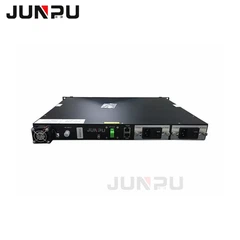
FTTH optical receivers typically come in small form factor enclosures designed to be mounted in standard 19" equipment racks. Many have built-in rack ears or optional rack mount kits available.
Common FTTH optical receiver form factors that are rack-mountable include: 1U, 1/2U, 1/3U, and 1/4U sizes. They take up a certain amount of vertical space ("U") in the rack.
Rack-mountable FTTH receivers may be mounted horizontally to conserve vertical rack space. This allows mounting multiple receivers side-by-side in 1U increments.
Features that enable rack mounting include: integrated rack ears with screw holes, removable rack ears, or optional rack shelves to place smaller non-rackmountable units on.
When rack-mounting optical receivers, attention needs to be paid to maximum operating temperature specifications. Enclosed racks may require additional cooling.
Rack-mounting compatibility is commonly available for FTTH optical network unit receivers by design, making it straightforward to integrate them into standard 19" equipment racks for a structured installation. Just need to ensure cooling and clearance requirements are met.
How Does An Ftth Optical Receiver Work
An FTTH (Fiber to the Home) Optical Receiver is a device that converts optical signals into electrical signals for transmission over ethernet cables in fiber-to-the-home (FTTH) networks. When an optical signal is received by the receiver, it is detected by a photo detector, which converts the light intensity of the signal into an electrical current. The electrical current is then amplified and decoded by the receiver for transmission over ethernet cables.
The receiver can support different modulation formats such as binary phase-shift keying (BPSK), quadrature phase-shift keying (QPSK), and coherent modulation, and can handle optical input powers ranging from -20 to -30 dBm. The receiver also handles noise and interference using various techniques such as signal amplification, filtering, and error correction. The FTTH Optical Receiver plays a crucial role in enabling high-speed data transmission in FTTH networks.
Yes, an FTTH (Fiber To The Home) optical receiver can be used in PON (Passive Optical Network) architectures. Here are some key points about using FTTH optical receivers in PON:
PON uses a point-to-multipoint architecture with a passive optical splitter to serve multiple premises. An optical line terminal (OLT) at the provider end drives the network.
At each subscriber premise, an optical network unit (ONU) or optical network terminal (ONT) is used. This contains an FTTH optical receiver to receive the signals intended for that subscriber.
The FTTH receiver converts the optical signals on the fiber into electrical signals that can be processed by electronics at the premise. Typical FTTH receivers support data rates used in PON like 1Gbps or higher.
The FTTH receiver also needs to support the wavelength(s) used on the PON, such as 1490nm downstream and 1310nm upstream for gigabit PON networks. WDM PON may use additional wavelengths.
The receiver sensitivity and optical power handling capabilities need to match the optical power budget and loss characteristics of the passive optical network.
So in summary, the ONT/ONU FTTH optical receivers are a key component enabling the delivery of PON services to each subscriber's home or building. The receivers translate between optical and electrical domains at the customer endpoint of the PON.
Can An Ftth Optical Receiver Support Different Modulation Formats
Yes, an FTTH (Fiber To The Home) optical receiver can support different modulation formats. The ability to handle various modulation schemes is an important feature of optical receivers because it allows them to adapt to the specific transmission method used in the incoming optical signal.
Modulation formats such as On-Off Keying (OOK), Quadrature Amplitude Modulation (QAM) with various orders (e.g., QAM-16, QAM-64, QAM-256), and more advanced schemes like Discrete Multitone (DMT) used in Digital Subscriber Line (DSL) technologies can be processed by modern optical receivers. The receiver's electronics, including the signal conditioning and digital processing circuitry, are designed to recognize and demodulate the different patterns and frequencies associated with these formats.
The flexibility to support multiple modulation formats is particularly important in PON (Passive Optical Network) systems where several subscribers share the same optical line. By supporting different modulation schemes, the optical receiver can accommodate various services and service levels within the same infrastructure.
It's worth noting that while the receiver may be capable of supporting various modulation formats, the overall network equipment - including the optical line terminal (OLT), optical network unit (ONU), or optical distribution network (ODN) - must also be compatible with those formats to enable seamless communication.
What Is The Difference Between An FTTH Optical Receiver And An FTTH Optical Transmitter
An FTTH (Fiber to the Home) Optical Receiver and an FTTH Optical Transmitter are two important components in fiber-to-the-home (FTTH) networks, and they play different roles in the transmission of data.
The main function of an FTTH Optical Receiver is to receive optical signals from an optical fiber and convert them into electrical signals for transmission over ethernet cables. The receiver typically consists of a photo detector, amplifier, and decoder, which work together to convert the received optical signals into a digital data stream.
The main function of an FTTH Optical Transmitter is to convert electrical signals into optical signals for transmission over optical fibers. The transmitter typically consists of a laser diode, driver circuit, and modulator, which work together to encode the electrical signals into a modulation format suitable for transmission over optical fibers.
In addition to their different functions, the characteristics of the two devices may also differ. For example, the optical transmitter may have a higher output power to ensure reliable transmission over long distances, while the optical receiver may have a higher sensitivity to detect weak optical signals. the two devices may use different modulation formats and wavelengths to optimize transmission performance.
The FTTH Optical Receiver and the FTTH Optical Transmitter are essential components in fiber-to-the-home (FTTH) networks, and they work together to enable high-speed data transmission.
An optical distribution frame plays a vital role in managing and distributing fiber optic connections in telecommunication networks. With its modular design and termination points, an ODF simplifies the process of connecting and disconnecting cables. By ensuring proper cable management, ODF help to maintain optimal signal transmission and minimize any network downtime.
Here are some of the key features to consider when selecting an FTTH (Fiber-to-the-Home) optical receiver:
Sensitivity - This specifies the minimum optical power needed for the receiver to operate properly. More sensitive receivers (-30dBm or lower) allow longer optical links.
Dynamic Range - The difference between maximum and minimum optical power the receiver can tolerate. Wider dynamic range (30dB or more) provides more flexibility.
Wavelength - Receiver wavelengths (1310nm, 1490nm, 1550nm) must match the transmitter wavelength. Common options for FTTH are 1310nm and 1490nm.
Output - Common receiver output options are electrical (analog, digital) or optical. Consider what connects to the output. Electrical is common for Ethernet networks.
Connector Type - Most FTTH receivers use SC/APC connectors to connect the incoming fiber. Ensure it matches your network.
Power Supply - Receiver will either have internal or external power options. Consider if local power is available.
Management Capability - Some receivers offer monitoring features like optical power readings. Determine if needed.
Environmental Rating - Ensure the optical receiver meets any temperature, humidity, or ingress ratings needed for the installation environment.
Yes, most FTTH (Fiber To The Home) optical receivers can support both single-mode and multimode fiber networks. Here are some key points about using an FTTH receiver with different fiber types:
FTTH receivers typically have interchangeable SFP modules that allow you to use different fiber types. You would just swap out the module to switch between single-mode and multimode.
The transmitter on the other end of the link must match the fiber type - so if the receiver supports both, you need a transmitter for each fiber type you want to use. You couldn't use a single-mode transmitter with a multimode fiber/receiver.
Single-mode fiber supports longer distances and higher bandwidths but requires more expensive transmitters/receivers. Multimode is cheaper but has shorter reach.
The receiver needs to match the wavelength(s) used by the transmitters. Common wavelengths are 1310nm and 1550nm. The modules are often DWDM capable supporting multiple wavelengths.
Other compatibility factors like power budget, loss budget and dispersion need to be considered, but most FTTH gear is designed to handle typical network scenarios when matched correctly between ends.
How Does The FTTH Optical Receiver Ensure Data Integrity During Transmission
A fiber-to-the-home (FTTH) optical receiver helps ensure data integrity in a few key ways:
Error correction codes - Most FTTH systems use forward error correction (FEC) coding like Reed-Solomon codes to allow the receiver to detect and correct errors without having to ask for retrans missions. This improves overall data integrity.
Optical power budget - The optical power budget ensures there is enough optical signal power to overcome losses and noise in the fiber optic link. This provides an adequate signal-to-noise ratio to maintain data integrity. Receivers have a certain sensitivity specification and link budgets take this into account.
Dispersion compensation - Optical dispersion can cause data errors. FTTH systems use dispersion compensating fiber or electronic dispersion compensation to correct for chromatic and polarization mode dispersion effects that can distort the optical signal.
PLL clock/data recovery - The receiver extracts the embedded clock signal from the data stream and uses this to sample the data appropriately at the optimum instances. This allows it to correctly interpret the 1s and 0s even with some noise and distortion.
How Does The Ftth Optical Receiver Handle Optical Fiber Connectors
A fiber-to-the-home (FTTH) optical receiver handles optical fiber connectors in the following ways:


It has an optical port that is designed to mate with standard optical fiber connectors like SC, LC, or ST connectors. These allow the optical fiber carrying the signals from the network to be connected to the receiver.
Inside the optical port is a lens that helps focus the light coming from the fiber onto a photodetector. The port properly positions the end of the fiber relative to the lens to maximize the light capture.
It also often contains a physical fiber alignment mechanism like a zirconia ceramic ferrule that holds the fiber steady and well-aligned inside the optical port. This ensures the best optical coupling from the fiber to the photodetector.
The optical port may also include a connector locking mechanism like a latch, spring, or screw-on nut to keep the fiber securely fastened once inserted. This prevents vibration or shock from disconnecting the fiber.
Higher performance FTTH receivers may also include automatic power control that can adjust the sensitivity of the photodetector to account for different optical loss through different fiber patch cables. This helps normalize the overall performance.
The FTTH receiver is designed specifically to interface with standard optical fiber connectors to get the fiber signal into the device for conversion to an electrical signal. The port and internal optics handle the fiber alignment and coupling.
Maintenance Tips for FTTH Optical Receiver
Here are some maintenance tips for FTTH optical receivers
Keep The Receiver Clean
Dust and dirt can accumulate on the receiver, affecting its performance. Regularly clean the receiver using a soft cloth or canned air to remove any debris.
Check For Loose Connections
Over time, connectors can become loose, leading to signal loss or degradation. Inspect the connectors and ensure they are securely fastened. If you notice any loose connections, tighten them gently.
Monitor Signal Levels
Use a signal level meter or optical power meter to monitor the signal levels coming into the receiver. If you notice any significant changes or fluctuations in the signal levels, investigate the cause and take corrective actions.
Inspect The Fiber Optic Cable
Check the fiber optic cable for any signs of damage, such as cuts, bends, or breaks. Ensure that the cable is properly routed and protected from any potential hazards that could cause damage.
Perform Regular Firmware Updates
Check for firmware updates provided by the manufacturer and apply them as recommended. Firmware updates often bring bug fixes, performance improvements, and enhanced features.
Keep a Backup Receiver
It is always advisable to have a backup optical receiver available in case of any failures or emergencies. This ensures uninterrupted service and minimizes downtime.
Our Factory
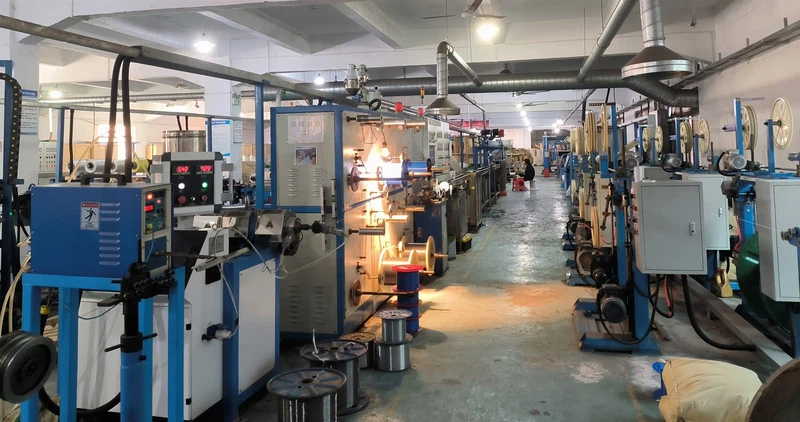
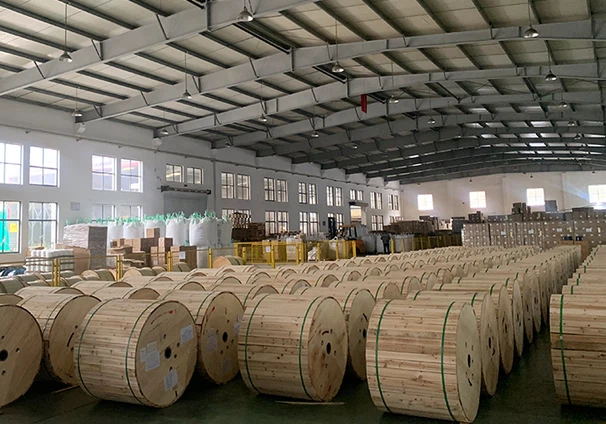
Hangzhou Junpu Optoelectronic Equipment Co.,Ltd . Which specializes in fiber to the home (FTTH) and HFC network for many years. Fiber optic communication equipment includes fiber optic terminal boxes, fiber optic splice boxes, FTTH optical drop-in lines, fiber optic patch cords, fiber optic splitters and EDFA wavelength division multiplexers. Junpu provides complete solutions of standard products or customized in FTTH field.
FAQ
Q: Why is receiver sensitivity important in FTTH applications?
Q: How does an optical receiver convert optical signals into electrical signals?
Q: What is the difference between a PIN photodiode and an APD?
Q: What is the function of a transimpedance amplifier (TIA) in an optical receiver?
Q: What is an FTTH optical receiver?
Q: How is the performance of an optical receiver measured?
Q: How are optical receivers classified in FTTH systems?
Q: How can optical receivers contribute to energy efficiency in FTTH?
Q: What are some of the challenges faced in designing optical receivers for FTTH applications?
Q: How does an FTTH Optical Receiver work?
Q: What is the difference between an FTTH Optical Receiver and an FTTC (Fiber to the Curb) optical Receiver?
Q: Can an FTTH Optical Receiver support POE (Power over Ethernet)?
Q: What is the impact of temperature on the performance of an FTTH Optical Receiver?
Q: What is the role of an FTTH Optical Receiver in a fiber-to-the-home (FTTH) network?
Q: What are the types of FTTH Optical Receivers available in the market?
Q: What are the key features to look for when choosing an FTTH Optical Receiver?
Q: What is the maximum optical input power that an FTTH Optical Receiver can handle?
Q: What is the difference between an FTTH Optical Receiver and an ONU (Optical Network Unit)?
Q: Can an FTTH Optical Receiver support different modulation formats?
Q: What is the dynamic range of an FTTH Optical Receiver?
As one of the most professional ftth optical receiver manufacturers and suppliers in China, we're featured by quality products and competitive price. Please rest assured to wholesale cheap ftth optical receiver for sale here from our factory. Contact us for OEM service.
1x16 Fiber Optic Splitter, 32 Port EDFA WDM, 1 Core Fiber Optic Drop Cable