



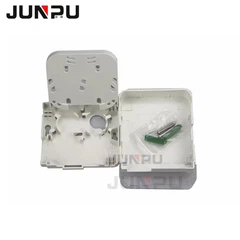
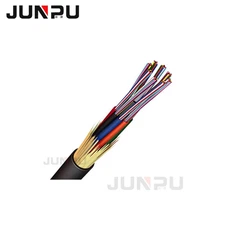


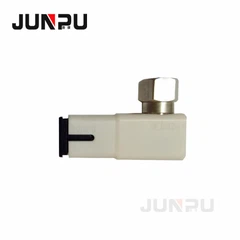


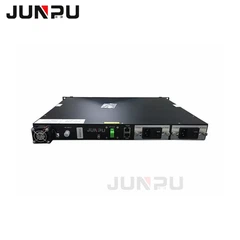

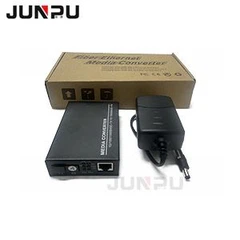



Fiber Optical Fast Connector
What Is Fiber Optical Fast Connector
A fiber optic fast connector is a pre-polished fiber optic connector that uses a mechanical method to splice the fiber onto the connector. It is an alternative to the traditional fusion splicing method, which requires specialized equipment and training. The fiber optic fast connector can be field-installed with minimal tools and can be used for both single-mode and multimode fibers. They are ideal for quick installations, repairs, or emergencies.
Advantages of Fiber Optical Fast Connector
Quick and Easy Installation: Fiber optic fast connectors can be installed quickly and easily without requiring any special tools or training. This makes them ideal for use in situations where time is of the essence.
Superior Performance: The tight tolerances and precision components of fiber optic fast connectors ensure that they deliver superior performance compared to traditional connectors.
Low Insertion Loss: Fiber Optical Fast Connectors have a low insertion loss, which means they do not cause any significant signal attenuation or loss of data during transmission.
Improved Reliability: Fiber optic fast connectors are designed to be highly reliable and have low insertion loss and return loss. This helps to ensure that data transmission is stable and error-free.
Versatile: These connectors can be used with a wide range of fiber optic cable types and sizes. They can also be used in conjunction with a variety of devices, including switches, routers, and other networking equipment.
Enhanced Safety: Fiber optic fast connectors are safer to handle and use compared to traditional connectors. With no need for polishing or hot melting, they pose less risk of burns or injury.


Why Choose Us
Professional team
Professional sales team and engineer team provide professional technical Support,Test video and Sample support
Advanced Equipment
Equipment based on the latest technological developments has higher efficiency, better performance and stronger reliability.
One-stop Solution
With rich experience and one-to-one service,we can help you choose products and answer technical questions.
Innovation
We are dedicated to improving our systems continually, ensuring that the technology we offer is always cutting edge.
High Quality
Our products are manufactured or executed to very high standards, using the finest materials and manufacturing processes.
Competitive Price
We have professional sourcing team and cost accounting team, stive to reduce cost and profit and provide you a good price.
How Do Fiber Optical Fast Connectors Handle High Data Rates And High-Speed Applications
Here's how these connectors enable high-speed data transmission:
Increased Bandwidth: Fiber optic cables have a much wider bandwidth compared to traditional copper cables. This allows for the transmission of larger amounts of data at faster speeds without the signal degradation that is common in copper cables.
Minimal Signal Loss: Fiber optic connectors are designed to have minimal light loss as the signal travels through the fiber. This is achieved through precise alignments of the fiber cores and the use of connectors that maintain the integrity of the light signal.
Low Attenuation: The connectors are engineered to have low attenuation rates, meaning the signal weakens very little over distance. This is crucial for maintaining high speeds over long distances.
High-quality Connections: To maintain high data rates, the connectors must form a reliable and stable connection. This often involves using precision-machined components and tight tolerances to ensure a consistent and low-reflection connection.
Mechanical Stability: The physical design of the connector must be robust to ensure that the fiber remains securely connected under various environmental conditions and during repeated installation and removal.
Impedance Matching: For optimal performance, the connector must have impedance matching to ensure that the signal is transmitted with minimal reflection back towards the source.
Cable Management: The connectors are often part of a system that includes cable management solutions to minimize disruption to the light signal, such as bend protection and proper cable laying techniques.
Standards Compliance: Compliance with international standards (like IEEE, TIA, etc.) ensures that the connectors are compatible with various networking equipment and systems, which is essential for high-speed applications.
Technological Advancements: Ongoing technological advancements, such as the development of higher-speed optical components and improved connector designs, keep pushing the boundaries of what fiber optical connectors can handle.
How Do Fiber Optical Fast Connectors Handle Fiber Bending Or Microbending
When it comes to handling fiber bending or microbending, these connectors employ several strategies to minimize the impact on the signal quality:
The fibers are typically jacketed in a protective material that helps to prevent physical damage to the fiber as it bends. This jacketing also acts as a barrier against environmental factors that could cause microbending.
Many connectors include a strain relief mechanism that absorbs tension and compression, preventing excessive force from being applied to the fiber which could lead to bending or microbending.
High-quality connectors use graded index fibers, which are designed to minimize the impact of bending on the light signal by guiding the light along the fiber more effectively.
The design of the connector itself is crucial in handling bending. The ferrule, which holds the fiber, must be designed to prevent the fiber from moving or being damaged when the connector is mated and unmated.
The way the fibers are organized and managed within the cable can also reduce the risk of bending. For example, buffered fibers might be included in a cable to provide additional protection.
High-quality connectors are designed to maintain high optical performance even when the fibers are subject to bending. This includes minimizing the connector's own loss and reflectivity.
Proper installation techniques can also minimize the risks of bending and microbending. Connectors should be carefully aligned and mated to avoid applying force to the fibers.
To install and use a fiber optic fast connector, follow these steps:
1. Prepare The Fiber Optic Cable
Strip the protective coating from the end of the fiber optic cable using a fiber stripping tool. Be careful not to damage the fiber.
2. Clean The Fiber
Use lint-free wipes and fiber optic cleaning solution to clean the exposed fiber tip. This will remove any dirt or contaminants from the fiber surface.
3. Prepare The Fast Connector
Open the fast connector packaging and remove the connector body. Ensure the connector is clean and free from dust or debris.
4. Insert The Fiber Into The Connector
Gently insert the stripped fiber into the connector until it reaches the end face of the ferrule. Make sure the fiber is aligned with the center hole of the ferrule.
5. Secure The Fiber
Use a crimping tool or other mechanical means provided with the fast connector to secure the fiber in place. Follow the manufacturer’s instructions for proper crimping or locking mechanism.
6. Inspect The Connection
Use a fiber optic inspection microscope or visual fault locator to inspect the connector end face. Ensure there are no cracks, dirt or other contaminants that could affect the connection quality.
7. Test The Connection
Connect the fast connector to the corresponding mating connector on the other end of the fiber optic link. Use a fiber optic power meter or an OTDR to measure the power loss or reflectance of the connection. Ensure that the connection meets the required specifications.
8. Repeat The Process For Additional Connectors
If you need to install multiple fast connectors, repeat the above steps for each connector.Remember to handle the fiber optic cable and connectors carefully to avoid damaging the delicate fiber.
What Is The Difference Between a Fiber Optical Fast Connector And a Traditional Fiber Optic Connector
Fiber optical fast connectors and traditional fiber optic connectors serve the same basic purpose - to join fiber optic cables, but they differ in terms of installation method, speed, and performance. Here are the main differences:
Installation Process:
Fiber Optic Fast Connector: This type of connector is designed for quick and easy installation without the need for specialized tools. It typically uses a push-pull mechanism or a similar fastening method that allows for rapid connection and disconnection.
Traditional Fiber Optic Connector: These connectors usually require more precise work and often need specialized tools such as a fiber optic crimping tool. The installation process is more time-consuming and may involve additional steps like stripping the fiber jacket, cleaning the fiber end faces, and applying gel or polish to ensure a good connection.
Speed of Installation:
Fiber Optic Fast Connector: As the name suggests, these connectors are faster to install, which can significantly reduce the time needed for field deployments and maintenance activities.
Traditional Fiber Optic Connector: The installation of these connectors is slower due to the additional steps involved, which can lead to longer deployment times.
Performance:
Fiber Optic Fast Connector: While fast connectors are designed to be quick and easy to use, there can be a trade-off in terms of performance. The connection quality might not be as high as that of a traditionally installed connector, which could affect signal transmission over longer distances or in applications requiring high bandwidth.
Traditional Fiber Optic Connector: These connectors often provide a higher performance level with tighter tolerances and better reproducibility, leading to more consistent and reliable connections over time and various environmental conditions.
Cost:
Fiber Optic Fast Connector: Fast connectors might be more expensive initially due to their design and the ease of installation they offer.
Traditional Fiber Optic Connector: Traditional connectors might be more cost-effective in terms of initial purchase, but when considering the total cost of installation, including labor and tools, the cost difference may be less significant.
Repeatability And Reliability:
Fiber Optic Fast Connector: The fast installation process may lead to less consistent connectors, potentially affecting the reliability of the connection over time.
Traditional Fiber Optic Connector: The more rigorous installation process for traditional connectors often results in a higher level of repeatability and reliability, which is critical for maintaining consistent network performance.
How To Ensure The Installation Quality Of The Fiber Optical Fast Connector
To ensure the installation quality of the fiber optical Fast Connector, follow these detailed steps:
Choose The Right Connector Type: There are various types of fiber optical connectors available, such as LC, SC, ST, and FC. Understand the requirements of your specific application and select the appropriate connector type.
Prepare The Necessary Tools: Gather the necessary tools for installing the fiber optical Fast Connector, such as a fiber optic crimping tool, stripping tool, and a fiber optic tester.
Strip The Fiber Cable: Use a stripping tool to remove the outer jacket of the fiber cable, ensuring not to damage the fiber cores. Strip the cable to the required length for making the connection.
Prepare The Connector: Clean the connector carefully using a lint-free cloth and isopropyl alcohol. Ensure that the connector is in good condition with no visible damage.
Align And Crimp The Connector: Carefully align the fiber cores of the connector with the cable and insert it into the fiber optic crimping tool. Apply even pressure and crimp the connector, ensuring a secure connection.
Test The Connection: Use a fiber optic tester to verify the quality of the connection. The tester will measure the insertion loss and return loss, which are indicators of a good installation.
Secure The Connector: Once the connection is tested and verified, secure the connector in place using a strain relief or cable management solution to prevent any stress on the connection.
Here is a more detailed explanation of how a fiber optical Fast Connector works:
Preparation: Before using the Fast Connector, the fiber cable needs to be prepared by stripping off the outer jacket and removing the protective coating to expose the bare fiber cores.
Ferrule And v-Groove Alignment: The Fast Connector consists of a ferrule and a V-groove alignment mechanism. The ferrule is a ceramic or metal sleeve that holds the fiber cores, while the V-groove alignment mechanism ensures precise alignment of the fibers.
Fiber Insertion: The stripped fiber cable is inserted into the Fast Connector, and the fiber cores are carefully aligned with the V-groove alignment mechanism. The alignment ensures that the fiber cores are in the correct position for optimal light transmission.
Mechanical Crimping: Once the fibers are aligned, the Fast Connector is mechanically crimped using a specialized tool. The crimping process secures the fiber cores in place, ensuring a stable and reliable connection.
Index Matching Gel: Some Fast Connectors may also include an index matching gel. This gel is applied to the fiber cores before insertion into the connector. It helps to reduce the loss of light at the connection point by matching the refractive index of the fiber cores and the connector.
Testing: After the Fast Connector is installed, it is important to test the connection using a fiber optic tester. The tester measures the insertion loss and return loss to ensure the quality and performance of the connection.
The optical performance of a fiber optical Fast Connector is a critical factor in ensuring reliable and efficient fiber optic connections. Here is a more detailed explanation of the optical performance of a Fast Connector:
Insertion Loss: Insertion loss refers to the amount of light power lost during the transmission through the connector. A low insertion loss is desirable as it indicates minimal signal attenuation. Fast Connectors are designed to minimize insertion loss by ensuring precise alignment of the fiber cores and reducing any air gaps or misalignments.
Return Loss: Return loss, also known as reflection loss, measures the amount of light reflected back towards the source due to impedance mismatches or discontinuities in the connector. A high return loss indicates efficient signal transmission, as it means less light is being reflected back. Fast Connectors are designed to provide high return loss by ensuring proper polishing and smooth end-face finishes.
Durability: The durability of a Fast Connector is crucial for maintaining its optical performance over time. It should be able to withstand repeated mating and demating cycles without degrading the optical performance. High-quality Fast Connectors are designed with robust materials and precision manufacturing techniques to ensure long-term durability.
Temperature and Environmental Stability: Fast Connectors should maintain their optical performance across a wide range of temperatures and environmental conditions. They should be resistant to temperature fluctuations, humidity, and other environmental factors that can affect the optical properties of the connector.
Compatibility: Fast Connectors should be compatible with various fiber types, such as single-mode or multimode fibers, and different connector interfaces, such as LC, SC, ST, or FC. They should provide consistent optical performance regardless of the fiber type or connector interface.
What Are The Safety Considerations When Using The Fiber Optical Fast Connector
When utilizing the fiber optical fast connector, it is essential to adhere to certain safety precautions to prevent any potential harm or damage. Here are the key safety considerations:
1. Always ensure that the work area is well-lit and free from any obstacles that could lead to trips or falls. This not only promotes efficiency but also ensures the safety of the individuals working with the connectors.
2. Before handling the connector, verify that the fiber is not active to avoid exposure to harmful light emissions that could potentially damage eyesight. It is also crucial to use appropriate personal protective equipment, such as gloves and safety glasses, to protect against physical hazards like sharp edges on the connector or fiber cable.
3. Inspect the connector and fiber cable for visible defects or damages before use. Attempting to connect damaged components can result in poor connections or even physical harm. If any defects are found, replace the faulty parts immediately.
4. Follow the manufacturer's guidelines strictly when connecting or disconnecting the fiber optical fast connector. Improper handling could result in equipment damage, which may lead to costly repairs or replacements.
Maintenance Tips for Fiber Optical Fast Connector
Here are some maintenance tips to keep in mind:


Regular Inspection: Perform regular visual inspections of the Fast Connectors to check for any signs of damage, contamination, or misalignment. Look for scratches, cracks, or bent pins that may affect the optical performance. If any issues are detected, replace or repair the connector as necessary.
Cleaning: Keep the Fast Connectors clean to prevent dust, dirt, or oil from affecting the optical performance. Use lint-free wipes or cleaning sticks specifically designed for fiber optics to gently clean the connector end-faces. Avoid touching the end-faces with bare hands to prevent oil transfer. Follow the manufacturer's guidelines for cleaning solutions and techniques.
Connector Protection: Protect the Fast Connectors when not in use by using dust caps or protective covers. These caps prevent dust, debris, or accidental damage to the connector end-faces. Ensure that the caps are clean before attaching them to the connectors to avoid introducing contaminants.
Proper Storage: Store the Fast Connectors in a clean and dry environment to prevent moisture or humidity from affecting their performance. Avoid storing them in areas with extreme temperatures or exposure to direct sunlight.
Mating And Demating: When mating or demating Fast Connectors, do it carefully and avoid excessive force. Misalignment or improper handling can cause damage to the connector end-faces. Follow the recommended procedures and techniques provided by the manufacturer.
Testing: Regularly test the optical performance of the Fast Connectors using a fiber optic tester. This helps identify any degradation or issues with the connectors and allows for timely maintenance or replacement.
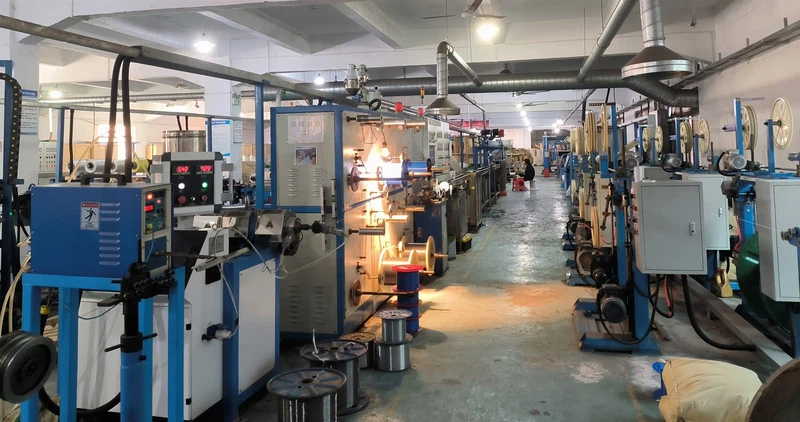
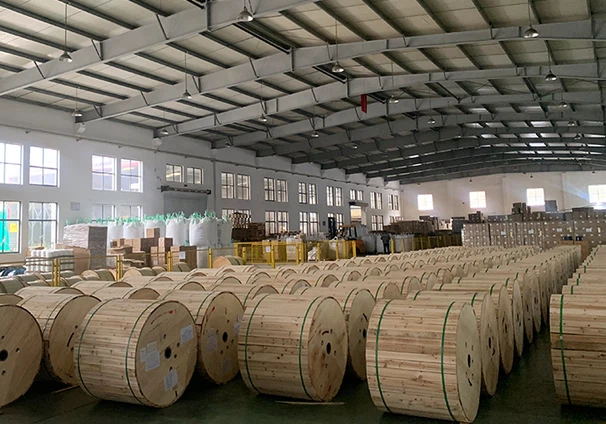
Our Factory
Hangzhou Junpu Optoelectronic Equipment Co.,Ltd . Which specializes in fiber to the home (FTTH) and HFC network for many years. Fiber optic communication equipment includes fiber optic terminal boxes, fiber optic splice boxes, FTTH optical drop-in lines, fiber optic patch cords, fiber optic splitters and EDFA wavelength division multiplexers. Junpu provides complete solutions of standard products or customized in FTTH field.
FAQ
Q: How does a fiber optic fast connector work?
Q: What is a fiber optic fast connector?
Q: Why are fast connectors important in fiber optics?
Q: What are the different types of fiber optic fast connectors?
Q: How do I choose the right fast connector for my application?
Q: What is the installation process of the fiber optical Fast Connector?
Q: How do you clean fiber optic connectors?
Q: How do you store fiber optic connectors when not in use?
Q: What are the typical standards for fiber optic connectors?
Q: What is the difference between a fixed and a modular connector?
Q: Can fiber optic fast connectors be repaired?
Q: What is the difference between a fiber optical Fast Connector and a traditional fiber optic connector?
Q: What are the application scenarios of the fiber optical Fast Connector in the data center?
Q: What tools are needed to install the fiber optical Fast Connector?
Q: How to ensure the installation quality of the fiber optical Fast Connector?
Q: What is the insertion loss of the fiber optical Fast Connector?
Q: What is the impact of temperature on the performance of the fiber optical Fast Connector?
Q: How to prevent dust and dirt from entering the fiber optical Fast Connector?
Q: How to deal with temperature changes of the fiber optical Fast Connector?
Q: What is the application field of the fiber optical Fast Connector?
As one of the most professional fiber optical fast connector manufacturers and suppliers in China, we're featured by quality products and competitive price. Please rest assured to wholesale cheap fiber optical fast connector for sale here from our factory. Contact us for OEM service.
NAP Box Fiber, 96 Core Dome Closure, 8 Port EDFA WDM