



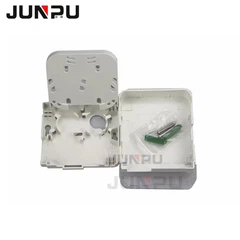
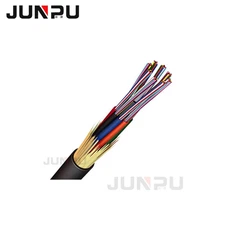


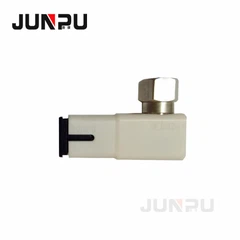


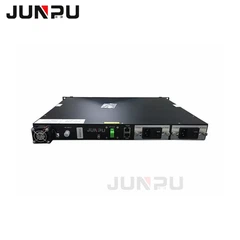

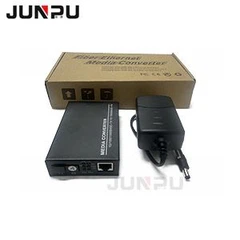



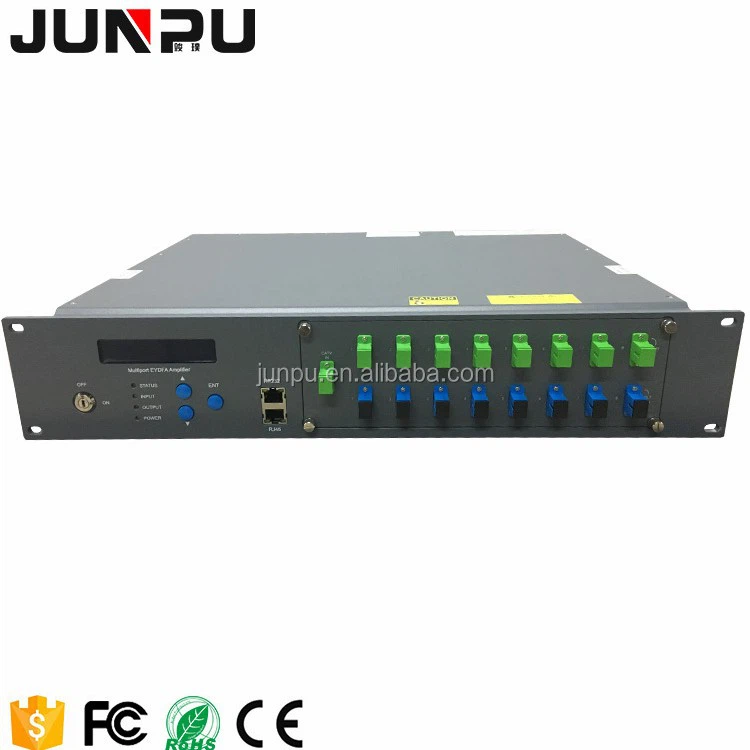
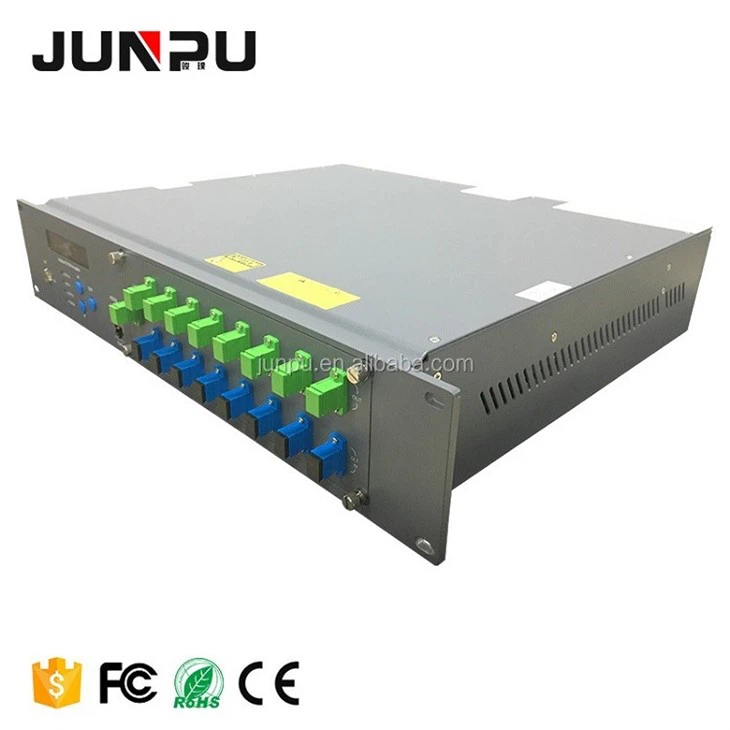
Fiber Optical Amplifier
What Is Fiber Optical Amplifier
A fiber optical amplifier is an electronic device used to increase the intensity of light signals that are transmitted through optical fibers. The amplifier boosts the power level of the optical signal, allowing it to be transmitted over longer distances without degradation. It works by using a doped fiber that amplifies the signal through the process of stimulated emission.
Advantages of Fiber Optical Amplifier
Low Signal Loss: Fiber optical amplifiers are designed to boost the signal strength of low-signal light waves. This enables signals to travel over longer distances without signal degradation.
Wide-Bandwidth: Amplifiers are available in various designs such as, Raman amplifiers, Erbium-doped fiber amplifiers (EDFA), and Semiconductor Optical Amplifiers (SOA). These amplifiers are capable of providing a wide bandwidth which covers various communication frequency bands.
High Gain: Fiber optic amplifiers typically have a high gain, which means that they amplify the light signal by a large factor. This ensures that the signals are strong enough to travel over long distances without getting lost.
Flexibility: FOAs are flexible enough to work with various types of fiber (such as single mode, multimode, and dispersion-shifted fiber), enabling them to be integrated into almost any optical network infrastructure.
Low Power Consumption: Fiber optic amplifiers consume very little power compared to other types of amplifiers such as electronic amplifiers.
Low Noise: Noise is one of the major challenges when it comes to signal transmission. Fiber optic amplifiers are designed to provide very low levels of noise which helps to maintain the quality of the transmitted signal.


Why Choose Us
Professional team
Professional sales team and engineer team provide professional technical Support,Test video and Sample support
Advanced Equipment
Equipment based on the latest technological developments has higher efficiency, better performance and stronger reliability.
One-stop Solution
With rich experience and one-to-one service,we can help you choose products and answer technical questions.
Innovation
We are dedicated to improving our systems continually, ensuring that the technology we offer is always cutting edge.
High Quality
Our products are manufactured or executed to very high standards, using the finest materials and manufacturing processes.
Competitive Price
We have professional sourcing team and cost accounting team, stive to reduce cost and profit and provide you a good price.
What Are The Types Of Fiber Optical Amplifier
There are three main types of fiber optical amplifiers:
The EDFA is the most commonly used type of fiber optical amplifier. It uses erbium-doped fiber as the amplification medium. When pumped with a laser, the erbium ions in the fiber become excited and can amplify the input signal by transferring energy to it. EDFA operates in the 1550 nm wavelength range, which is commonly used in long-haul telecommunications.
Raman amplifiers use the Raman scattering effect to amplify optical signals. In a Raman amplifier, a high-power pump laser is used to stimulate the Raman scattering process in the fiber. This process transfers energy from the pump to the signal, amplifying it. Raman amplifiers can operate in various wavelength ranges and can provide amplification over a wide bandwidth.
SOAs use semiconductor materials, such as gallium arsenide, as the amplification medium. They work based on the principle of stimulated emission, where the input signal stimulates the emission of photons from the semiconductor material, amplifying the signal. SOAs can operate in different wavelength ranges and are often used in short-range optical communication systems.
What Is The Role Of Optical Isolators In a Fiber Optical Amplifier
Optical isolators are critical components in fiber optic amplifiers, providing a crucial function in maintaining the stability and high quality of the amplified signal. Here's role of optical isolators in a fiber optical amplifier is:
Preventing Backward Propagation ofs: One of the primary objectives of using optical isolators in amplifiers is to block the backward propagation of light waves. This is essential for creating a conditions necessary to achieve efficient signal amplification while minimizing the backflow of unwanted signals. Optical isolators achieve this excellent isolation by employing the principle of total internal reflection (TIR) at specific angles.
Protecting Signal Integrity: Optical isolators ensure that the signal of interest remains isolated from external or unwanted light sources. This protection is ensures that the signal integrity is maintained, and any unwanted reflections or interference are eliminated.
Preventing Amplitude Degradation: Amplified fiber optic signals can suffer from several deleterious effects, such as thermal distortion, optical distortion, and other non-linearities.
How To Test The Performance Of Fiber Optical Amplifier
To test the performance of a fiber optical amplifier, you can follow these steps:
Set up the Test Configuration: Connect the input signal source to the input of the amplifier using appropriate connectors and fibers. Ensure that the input signal is within the operating range of the amplifier. Connect the output of the amplifier to a power meter or an optical spectrum analyzer (OSA) to measure the output power or spectral characteristics.
Measure Input Power: Measure the power of the input signal using a power meter. This will serve as a reference for comparing the amplification performance.
Measure Output Power: Measure the power of the amplified signal at the output of the amplifier using a power meter. Compare it with the input power to determine the gain of the amplifier. The gain is calculated as the difference between the output power and the input power.
Measure Noise Figure: Use an optical spectrum analyzer (OSA) to measure the noise figure of the amplifier. The noise figure indicates the amount of noise added during amplification. Compare it with the specified noise figure of the amplifier to assess its performance.
Measure Gain Flatness: Use an OSA to measure the gain flatness of the amplifier. This refers to the consistency of gain across the operating wavelength range. Ensure that the gain remains relatively constant across the desired wavelength range.
Measure Distortion: Use an OSA or a distortion analyzer to measure any distortion introduced by the amplifier, such as harmonic distortion or intermodulation distortion. Distortion can affect the quality of the amplified signal.
Measure Polarization Dependence: Use a polarization analyzer to measure the polarization dependence of the amplifier. This refers to the variation in gain or performance with different input polarization states. Ensure that the amplifier exhibits low polarization dependence if required for your application.
Repeat Measurements: Repeat the measurements multiple times to ensure consistency and accuracy. Take into account any variations or fluctuations in the measurements.
How Does The Power Output Of a Fiber Optical Amplifier Depend On The Input Power
The power output of a fiber optical amplifier depends on the input power in a non-linear way. The output power of the amplifier increases with the input power, but the rate of increase decreases as the input power increases. This is due to the saturation effect of the amplifier.
At low input power levels, the amplifier operates in the linear region, where the output power is directly proportional to the input power.As the input power increases, the amplifier reaches its saturation point, where the output power no longer increases linearly with the input power. Instead, the output power increases at a slower rate until it reaches a maximum value, beyond which further increases in input power do not result in any significant increase in output power.
This saturation effect is due to the limited number of active ions in the amplifier medium, which can only absorb a certain amount of energy before they become saturated. As a result, the gain of the amplifier decreases as the input power increases, leading to a non-linear relationship between the input and output power.
What Are The Custom Requirements And Processes For Fiber Optical Amplifier
Fiber optical amplifiers can be customized to meet specific requirements based on the application and environment. Here are some common custom requirements and processes for fiber optical amplifiers:
Amplification Range: The amplification range of the amplifier can be customized based on the required signal strength and transmission distance. This involves adjusting the gain and noise figure of the amplifier to achieve the desired amplification range.
Wavelength Range: The wavelength range of the amplifier can be customized based on the specific wavelength bands used in the application. This involves selecting the appropriate amplifier type and optimizing the amplifier's performance for the desired wavelength range.
Form Factor: The form factor of the amplifier can be customized based on the available space and installation requirements. This involves designing the amplifier to fit into the available space and integrating it with other components as needed.
Power Consumption: The power consumption of the amplifier can be customized based on the available power supply and energy efficiency requirements. This involves optimizing the amplifier's design and components to minimize power consumption while maintaining performance.
Environmental Considerations: The amplifier can be customized to meet specific environmental requirements, such as temperature, humidity, and vibration. This involves selecting appropriate materials and components that can withstand the environmental conditions.
Monitoring and Control: The amplifier can be customized with advanced monitoring and control capabilities, such as remote monitoring, automatic gain control, and dynamic power management. This involves integrating the necessary sensors and control circuits into the amplifier's design.
Testing and Validation: Customized fiber optical amplifiers undergo rigorous testing and validation to ensure they meet the desired specifications and performance requirements. This involves testing the amplifier under various conditions and verifying its performance using appropriate testing equipment.
What Are The Installation Methods Of Fiber Optical Amplifier
The installation methods of Fiber optical Amplifier may vary depending on the specific model and application. Here are some common installation methods:
1. Rack Installation: Fiber optical Amplifier can be installed in a rack or cabinet. The amplifier is mounted on the rack and connected to other optical fiber devices through optical fiber cables.
2. Wall-Mounted Installation: Fiber optical Amplifier can be mounted on the wall. Mounting brackets or screws are usually used to fix the amplifier on the wall.
3. Standalone Installation: Some Fiber optical Amplifier can be placed directly on a desktop or other flat surface. This method is suitable for smaller amplifiers or temporary installations.
No matter which installation method is used, it is important to ensure that the Fiber optical Amplifier is installed firmly and in a stable position to avoid vibration or movement that may affect its performance. Pay attention to the connection and routing of optical fiber cables to ensure reliable connection and minimize signal loss.
Choosing the right fiber optical amplifier involves considering several factors. Here are some key considerations:
Application: Determine the specific application requirements, such as the required signal bandwidth, transmission distance, and power levels. Different amplifiers have different performance characteristics and are suitable for different applications. For example, EDFA is commonly used for long-haul telecommunications, while SOA may be more suitable for short-range applications.
Wavelength Range: Consider the wavelength range of the input signal and ensure that the amplifier operates within that range. Different amplifiers have different operating ranges, so choose one that matches the wavelength of your signal.
Gain and Noise Figure: Evaluate the gain and noise figure specifications of the amplifier. Gain refers to the amplification factor, while the noise figure indicates the amount of noise added during amplification. Higher gain and lower noise figure are generally desirable, but the specific requirements depend on the application.
Power Budget: Calculate the power budget of your system, which is the difference between the input power and the required output power. Ensure that the chosen amplifier can provide sufficient gain to meet the power budget requirements.
Compatibility: Consider the compatibility of the amplifier with other system components, such as the fiber type, connectors, and other optical devices. Ensure that the amplifier can be easily integrated into your existing system.
Reliability and Maintenance: Evaluate the reliability and maintenance requirements of the amplifier. Consider factors such as the mean time between failures (MTBF), ease of maintenance, and availability of technical support.
Cost: Consider the cost of the amplifier and compare it with your budget. Balance the performance requirements with the cost to find the most suitable option.
What Are The Development Trends Of Fiber Optical Amplifier
The development trends of fiber optical amplifiers are driven by the increasing demand for higher data rates, longer transmission distances, and improved performance. Here are some key development trends in fiber optical amplifiers:


Higher Data Rates: With the growing demand for higher data rates in telecommunications and data center applications, fiber optical amplifiers are being developed to support higher transmission speeds. This includes the development of amplifiers that can handle higher modulation formats, such as quadrature amplitude modulation (QAM), to achieve higher data rates.
Wider Bandwidth: Fiber optical amplifiers are being developed with wider bandwidth capabilities to support the transmission of multiple wavelength channels simultaneously. This enables the use of wavelength-division multiplexing (WDM) technology, where multiple signals are transmitted over different wavelengths in the same fiber.
Longer Transmission Distances: There is a continuous effort to develop fiber optical amplifiers that can support longer transmission distances without the need for signal regeneration. This involves improving the gain and noise figure performance of amplifiers to maintain signal quality over longer distances.
Reduced Power Consumption: Energy efficiency is a significant consideration in the development of fiber optical amplifiers. Efforts are being made to reduce the power consumption of amplifiers while maintaining their performance. This includes the use of advanced semiconductor materials and design techniques to minimize power consumption.
Integration And Miniaturization: Fiber optical amplifiers are being developed with smaller form factors and integrated functionalities. This allows for easier integration into compact systems and reduces the overall footprint. Integrated amplifiers may include additional functionalities such as wavelength selective switching or optical power monitoring.
Advanced Monitoring And Control: Fiber optical amplifiers are being equipped with advanced monitoring and control capabilities. This includes features such as remote monitoring, automatic gain control, and dynamic power management. These capabilities enable efficient operation, troubleshooting, and optimization of the amplifier's performance.
Enhanced Reliability and Robustness: Fiber optical amplifiers are being designed to be more reliable and robust, with improved resistance to environmental factors such as temperature variations and vibrations. This ensures consistent performance and reduces the need for frequent maintenance.
Here are some maintenance recommendations for fiber optic amplifiers:
1. Regular Cleaning: Clean the input and output fibers regularly using fiber optic cleaning tools, such as a fiber optic cleaner or a lint-free cloth. Dirt or debris on the fibers can cause signal loss or damage to the amplifier.
2. Check Connections: Inspect the connections between the amplifier and the fibers regularly to ensure that they are secure and free from damage. Loose connections can result in signal loss or amplifier failure.
3. Monitor Temperature: The amplifier should be kept within the recommended temperature range to ensure proper operation. Excessive heat or cold can cause the amplifier to fail or perform poorly.
4. Regular Testing: Use an optical power meter or OTDR to test the performance of the fiber optical Amplifier regularly to ensure its output power and gain meet the requirements.
5. Calibration: Depending on the type of amplifier, it may require periodic calibration to maintain optimal performance. Check the manufacturer's recommendations for specific calibration procedures.
6. Firmware and Software Updates: Keep the amplifier's firmware and software up to date by installing any available updates provided by the manufacturer. These updates may include bug fixes, performance enhancements, and new features.
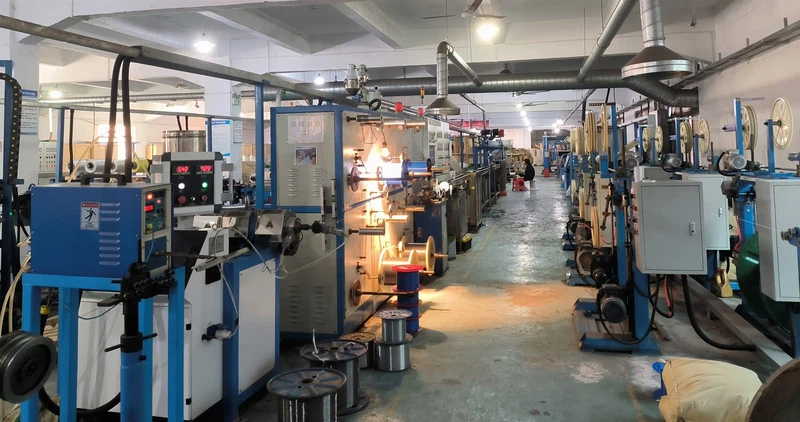
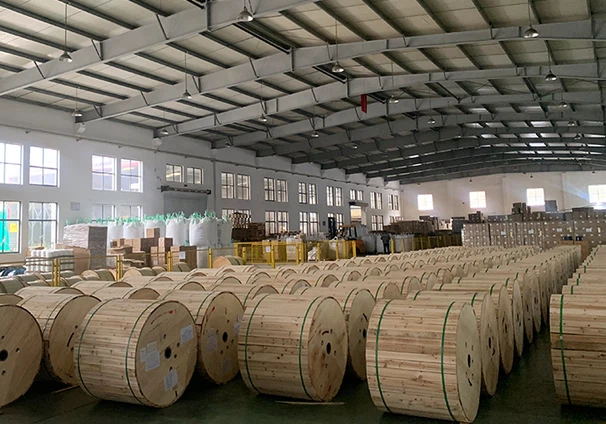
Our Factory
Hangzhou Junpu Optoelectronic Equipment Co.,Ltd . Which specializes in fiber to the home (FTTH) and HFC network for many years. Fiber optic communication equipment includes fiber optic terminal boxes, fiber optic splice boxes, FTTH optical drop-in lines, fiber optic patch cords, fiber optic splitters and EDFA wavelength division multiplexers. Junpu provides complete solutions of standard products or customized in FTTH field.
FAQ
Q: What is the typical size of a fiber optical amplifier?
Q: How does a fiber optical amplifier work?
Q: What are the types of fiber optical amplifiers?
Q: What is the difference between EDFA and Raman amplifiers?
Q: How is an optical signal amplified through EDFA?
Q: What are the advantages of using a fiber optical amplifier?
Q: What are the challenges of using fiber optical amplifiers?
Q: What is the maximum distance that a fiber optical amplifier can amplify a signal?
Q: What is a fiber optical amplifier?
Q: What are the advantages of using a fiber optical amplifier in a data communications system?
Q: What is the maximum operating temperature for a fiber optical amplifier?
Q: How can the performance of a fiber optical amplifier be improved?
Q: What safety precautions should be taken when working with fiber optical amplifiers?
Q: What is the role of fiber optical amplifiers in the future of communication systems?
Q: What is the maximum input signal level for a fiber optical amplifier?
Q: How do you troubleshoot a fiber optical amplifier?
Q: How do you choose a fiber optical amplifier?
Q: How do you install a fiber optical amplifier?
Q: How do you maintain a fiber optical amplifier?
Q: How do you connect a fiber optical amplifier to a fiber optic cable?
As one of the most professional fiber optical amplifier manufacturers and suppliers in China, we're featured by quality products and competitive price. Please rest assured to wholesale cheap fiber optical amplifier for sale here from our factory. Contact us for OEM service.
8 Port EDFA WDM, EDFA Fiber Amplifier, 32 Port EDFA WDM