








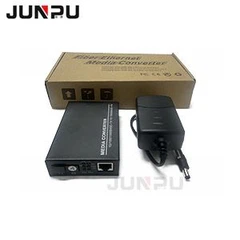



Fiber Optic Splice Closure
What is Fiber Optic Splice Closure
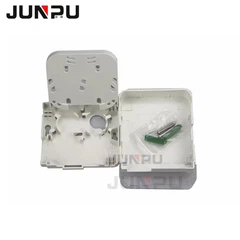
A fiber optic splice closure is a device used to protect and join fiberoptic cables. It is used when two fiber optic cables need to be connected and can come in different shapes and sizes, such as dome-shaped or cylindrical. The closure is designed to protect the spliced fibers from water, dust, and other external elements. They are typically used in outside plant applications, including aerial, underground, and buried installations. The splice closure provides a secure and reliable connection that can withstand harsh environmental conditions.
Advantages of Fiber Optic Splice Closure
Protection Against Environmental Factors: Fiber optic splice closures are designed to protect the fiber optic cables from factors such as moisture, dust, and UV rays, which can cause damage to the fibers, resulting in loss of connectivity and data transmission.
Increased Reliability: Optic splice closures offer increased reliability by providing a secure environment for the spliced fibers. They protect the cables from damage due to bending or stress that can impair the performance of the system.
Improved Signal Quality: As splice closures provide a stable and reliable connection, this leads to improved signal quality and reduces the likelihood of signal loss or distortion.
Seamless Fiber Optic Connectivity: Fiber optic splice closures provide a seamless and uninterrupted fiber optic connectivity that is crucial in many industries such as telecommunications, broadcasting, and networking.
Protection Of Fiber Optic Cables: Fiber optic splice closures protect the fiber optic cables from environmental factors such as temperature changes, moisture, dust, and other external elements that may damage the cables.
Easy Expansion: The modular design of fiber optic splice closures makes it easy to expand the system as demand grows. This allows for an easy and cost-effective way to scale up network capacity, without the need for significant infrastructure investments.


Why Choose Us
Professional team
Professional sales team and engineer team provide professional technical Support,Test video and Sample support
Advanced Equipment
Equipment based on the latest technological developments has higher efficiency, better performance and stronger reliability.
One-stop Solution
With rich experience and one-to-one service,we can help you choose products and answer technical questions.
Innovation
We are dedicated to improving our systems continually, ensuring that the technology we offer is always cutting edge.
High Quality
Our products are manufactured or executed to very high standards, using the finest materials and manufacturing processes.
Competitive Price
We have professional sourcing team and cost accounting team, stive to reduce cost and profit and provide you a good price.
Types of Fiber Optic Splice Closure
Horizontal Fiber Optic Splice Closure
Horizontal types of splice closures look like flat or cylindrical box which provides space and protection for fiber optic cable splicing and joint. They are also called in-line type closures. They can be mounted aerial, buried, or for underground applications. Most horizontal fiber optic splice closures can fit hundreds of fiber connections. They are designed to be waterproof and dustproof. They can be used in temperatures ranging from -40°C to 85°C, can accommodate 70 to 106 kph pressure and the case are usually made of high tensile construction plastic.
Dome Fiber Optic Splice Closure
The dome type of fiber optic splice closure looks like a dome. This is why they are also called dome types. They meet the exact specification as the horizontal types. They are usually designed for buried and pole-mount applications.
How Does a Fiber Optic Splice Closure Work
A Fiber optic splice closure is a device used to protect and join two or more fiber optic cables together. It works by enclosing the fiber optic cables and splices in a sealed container, which protects them from environmental factors such as moisture, dust, and temperature changes.
The closure typically consists of two halves that are joined together to form a sealed container. Inside the closure, there are trays or holders that hold the fiber optic cables and splices in place. The trays or holders are designed to protect the fibers and splices from damage and to ensure that they are properly aligned.
To splice the fiber optic cables together, the technician will first strip the protective coating from the ends of the cables. The fibers are then cleaned and aligned using a fusion splicer or mechanical splice. Once the fibers are aligned, they are fused together using heat or a special adhesive.
The spliced fibers are then placed in the trays or holders inside the closure and secured in place. The closure is then sealed to protect the splices and fibers from environmental factors. A Fiber optic splice closure is an essential component in any fiber optic network, as it helps to ensure that the network is reliable and protected from damage.
What Are The Main Components Of a Fiber Optic Splice Closure
A fiber optic splice closure is a protective enclosure that houses and protects fiber optic cables and splices. The main components of a fiber optic splice closure include:
Housing: The housing is the outer shell of the splice closure that provides protection against environmental factors such as moisture, dust, and temperature fluctuations. The housing is typically made of durable materials such as plastic or metal.
Cable Ports: Cable ports are openings in the housing that allow fiber optic cables to enter and exit the splice closure. The number and size of cable ports vary depending on the type and size of the splice closure.
Splice Trays: Splice trays are removable trays that hold and protect fiber optic splices. The trays are typically made of plastic and have slots or grooves to hold the fiber optic cables and splices securely in place.
Sealing Elements: Sealing elements such as gaskets, O-rings, and heat shrink tubing are used to seal the cable ports and splice trays to prevent moisture and dust from entering the enclosure.
Grounding System: A grounding system is used to protect the splice closure and the fiber optic cables from electrical surges and lightning strikes. The grounding system typically includes a grounding wire and a grounding lug.
Mounting Hardware: Mounting hardware such as brackets, screws, and clamps are used to secure the splice closure to a pole, wall, or other structure.
Accessories: Accessories such as cable ties, strain relief devices, and labeling systems are used to organize and manage the fiber optic cables and splices inside the splice closure.
What Is The Difference Between Indoor And Outdoor Fiber Optic Splice Closures
The main difference between indoor and outdoor fiber optic splice closures is their design and construction, which is tailored to the specific environment in which they will be used. Here are some key differences:
Environmental Protection
Outdoor fiber optic splice closures are designed to protect the fiber optic cables and splices from harsh environmental conditions such as moisture, dust, and temperature changes. They are typically made of materials that are resistant to UV radiation, corrosion, and impact. Indoor fiber optic splice closures, on the other hand, are designed to protect the fiber optic cables and splices from indoor environmental factors such as dust and humidity.
Size And Capacity
Outdoor fiber optic splice closures are generally larger and have a higher capacity than indoor closures. This is because outdoor closures need to accommodate more fiber optic cables and splices, and they need to be able to withstand harsh environmental conditions. Indoor closures, on the other hand, are typically smaller and have a lower capacity since they are used in less demanding environments.
Installation
Outdoor fiber optic splice closures are typically installed in underground vaults, aerial poles, or buried directly in the ground. They require more complex installation procedures and may require specialized equipment. Indoor fiber optic splice closures, on the other hand, are typically installed in equipment rooms or cabinets and require less complex installation procedures.
Accessibility
Outdoor fiber optic splice closures are designed to be accessed from the outside, which means that they need to be weatherproof and secure. Indoor fiber optic splice closures, on the other hand, are designed to be accessed from the inside, which means that they can be more easily opened and closed for maintenance or repairs.
How Do i Test The Quality Of The Splice After Using a Fiber Optic Cplice Closure
Testing the quality of a splice after using a fiber optic splice closure is an important step to ensure the integrity and performance of the fiber optic connection. Here are some steps to test the quality of the splice
Visual Inspection
Start by visually inspecting the splice using a fiber optic microscope or inspection scope. Check for any visible defects such as misalignment, cracks, or excessive fiber protrusion. Ensure that the splice is clean and free from any contaminants.
Insertion Loss Testing
Measure the insertion loss of the splice using an optical power meter and a light source. Connect the power meter to one end of the splice and the light source to the other end. Measure the power loss in dB. The insertion loss should be within the acceptable range specified by the manufacturer or industry standards.
Return Loss Testing
Measure the return loss of the splice using an optical time-domain reflectometer (OTDR) or a return loss meter. This test measures the amount of light reflected back from the splice. The return loss should be high, indicating a low amount of light reflection.
Fiber End-face Inspection
Inspect the fiber end-faces of the spliced fibers using a fiber optic microscope or inspection scope. Check for any scratches, dirt, or contamination on the end-faces. Clean the end-faces if necessary using lint-free wipes and approved cleaning solutions.
Mechanical Strength Testing
Perform mechanical strength testing on the splice to ensure its durability. This can include performing a tensile test to measure the strength of the splice under tension or performing a bend test to assess its resistance to bending.
Documentation
Document the test results and keep a record of the splice quality for future reference. This documentation can be useful for troubleshooting or maintenance purposes.
How Do i Prevent Dust And Dirt From Entering The Fiber Optic Splice Closure During Installation
Preventing dust and dirt from entering the fiber optic splice closure during installation is crucial to maintain the integrity and performance of the fiber optic connection. Here are some steps to prevent dust and dirt ingress:
Clean Work Area
Before starting the installation, ensure that the work area is clean and free from dust and dirt. Remove any debris or loose particles that may contaminate the splice closure.
Use Clean Tools and Equipment
Use clean tools and equipment during the installation process. Ensure that all tools, such as fiber strippers, cleavers, and cleaning tools, are free from dust and dirt. Clean and inspect the tools regularly to prevent any contamination.
Wear Cleanroom Attire
Wear appropriate cleanroom attire, such as gloves, a cleanroom suit, and a hairnet, to minimize the introduction of dust and dirt from your body into the installation area.
Clean Fiber Ends
Before splicing, clean the fiber ends using lint-free wipes and approved cleaning solutions. This will remove any dust or dirt particles that may be present on the fiber ends and prevent them from entering the splice closure.
Use Dust Caps
When not in use, always cover the fiber connectors and adapters with dust caps to prevent dust and dirt from settling on the exposed ends. This includes both the fiber ends inside the splice closure and any connectors or adapters outside the closure.
Properly Seal The Closure
Ensure that the splice closure is properly sealed to prevent dust and dirt ingress. Follow the manufacturer's instructions for sealing the closure, including using appropriate gaskets, seals, or tapes. Pay attention to any cable entry points or access ports and ensure they are properly sealed.
Avoid Installation In Dusty Environments
Avoid installing the splice closure in dusty or dirty environments. If installation in such an environment is unavoidable, take extra precautions to protect the closure, such as using temporary covers or barriers to shield it from dust and dirt during the installation process.
What Are Some Safety Precautions i Should Take When Working With a Fiber Optic Splice Closure
Working with a fiber optic splice closure requires taking certain safety precautions to prevent injury and ensure a safe working environment. Here are some safety precautions to consider when working with a fiber optic splice closure:
Wear Protective Gear
Wear appropriate personal protective equipment (PPE) such as safety glasses, gloves, and a dust mask to protect yourself from any potential hazards.
Use Proper Tools
Use the proper tools and equipment for the job. Using the wrong tools or equipment can lead to accidents or damage to the splice closure.
Avoid Bending or Twisting Fiber
Avoid bending or twisting the fiber optic cable during installation or splicing. This can cause damage to the fiber and affect the performance of the connection.
Avoid Touching the Fiber
Avoid touching the fiber with your bare hands or any tools that are not specifically designed for fiber optic work. This can cause contamination or damage to the fiber.
Keep Work Area Clean
Keep the work area clean and free from any debris or clutter that could cause accidents or damage to the splice closure.
Avoid Exposure to Laser Light
If working with a fusion splicer, avoid exposure to laser light. Follow the manufacturer's instructions for safe use of the fusion splicer and ensure that the laser is properly shielded.
Disconnect Power
If working with any equipment that requires power, such as an OTDR or fusion splicer, disconnect the power before making any adjustments or repairs.
Humidity can have a significant impact on the performance of a fiber optic splice closure. Here are some ways in which humidity can affect the performance:
Fiber Attenuation
High humidity levels can cause an increase in fiber attenuation, which is the loss of signal strength as it travels through the fiber. Moisture in the air can absorb and scatter light, leading to signal loss and reduced transmission distances.
Fiber Optic Connector Corrosion
Humidity can lead to the corrosion of fiber optic connectors. Moisture in the air can cause oxidation and corrosion of the metal components of the connectors, resulting in increased insertion loss and degraded performance.
Fiber Optic Cable Damage
Excessive humidity can cause the fiber optic cable to absorb moisture, leading to swelling or expansion of the cable jacket. This can result in mechanical stress on the fiber and potential damage to the cable structure.
Condensation
Rapid changes in temperature and humidity can cause condensation to form inside the splice closure. Condensation can lead to water droplets on the fiber or other components, causing signal loss, increased attenuation, and potential damage to the splice closure.
Mold and Fungus Growth
High humidity levels can create an environment conducive to the growth of mold and fungus. If mold or fungus grows on the fiber or inside the splice closure, it can cause signal degradation, increased attenuation, and potential damage to the fiber and closure components.
To mitigate the effects of humidity on the performance of a fiber optic splice closure, it is important to:
‣Ensure that the splice closure is properly sealed to prevent moisture ingress.
‣Use moisture-resistant materials and gaskets during installation.
‣Monitor and control the humidity levels in the installation environment, especially in areas prone to high humidity.
‣Regularly inspect and clean the splice closure to remove any moisture or contaminants.
‣Use desiccant packs or other moisture-absorbing materials inside the splice closure to maintain low humidity levels.
What Are Some Factors To Consider When Selecting a Fiber Optic Distribution Box
Fiber Optic Splice Closure is a device used to protect and connect optical fibers. To ensure its reliability and performance, regular maintenance is required. Here are some maintenance suggestions:

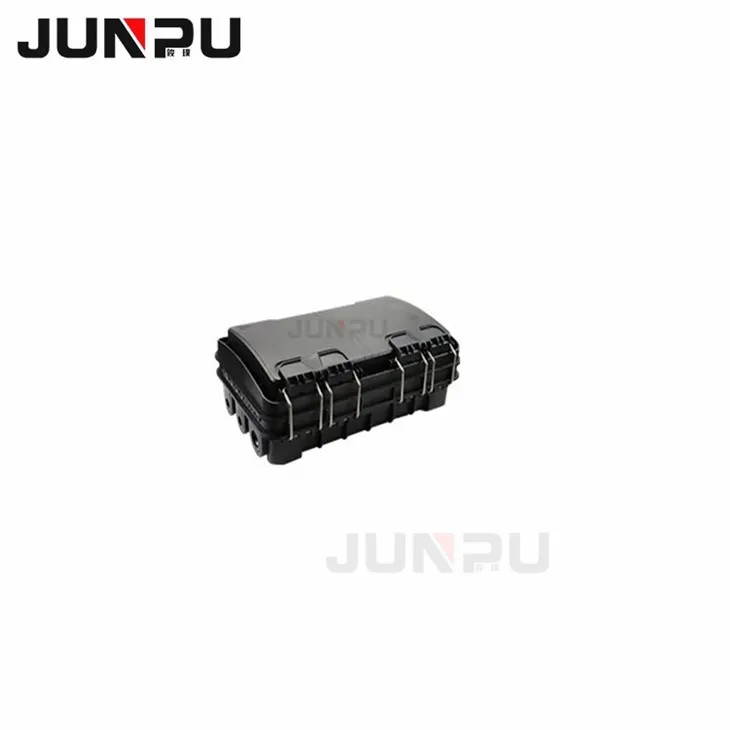

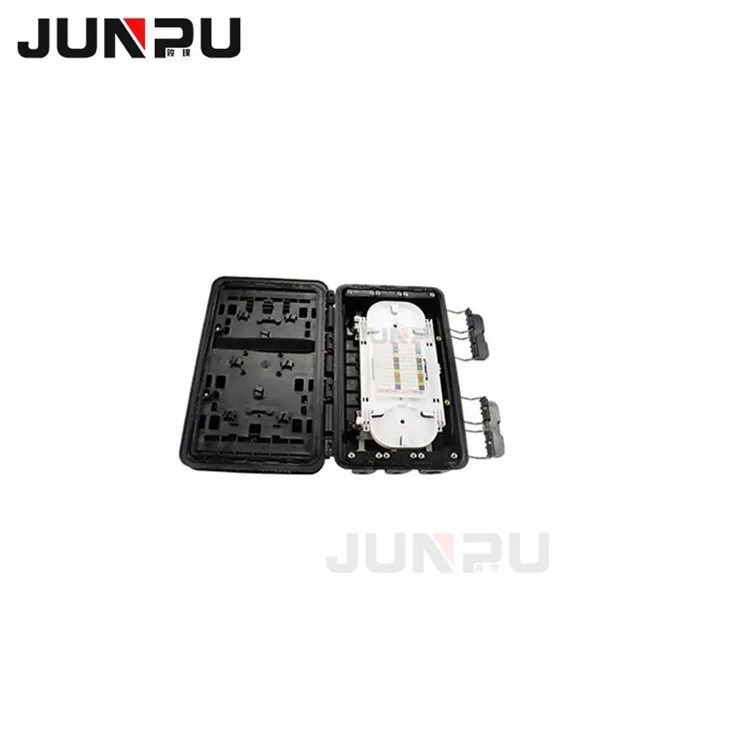
1. Regular Inspections
Conduct regular visual inspections of the splice closure to check for any signs of damage, such as cracks, loose fittings, or broken seals. Inspect the cable ports, splice trays, and housing for any signs of moisture, dust, or physical damage.
2. Cleanliness
Keep the splice closure clean by removing any dust, dirt, or debris that may have accumulated inside or on the exterior. Use a soft, lint-free cloth or brush to gently clean the surfaces. Avoid using abrasive materials or solvents that could damage the enclosure.
3. Sealing Integrity
Check the sealing elements, such as gaskets and O-rings, to ensure they are intact and properly sealed. Replace any damaged or worn-out sealing elements to maintain the enclosure's protection against moisture and dust.
4. Cable Management
Ensure that the fiber optic cables inside the splice closure are properly organized and secured. Use cable ties or other appropriate cable management solutions to prevent cable strain or tangling. This helps maintain the integrity of the fiber optic connections.
5. Environmental Factors
Monitor and control the environmental conditions around the splice closure. Ensure that the enclosure is not exposed to excessive heat, cold, humidity, or direct sunlight. Maintain a suitable temperature and humidity level to prevent condensation or moisture buildup.
6. Preventive Maintenance
Perform periodic preventive maintenance, such as reapplying sealants or lubricants as recommended by the manufacturer. Follow the manufacturer's guidelines for maintenance intervals and procedures.
7. Emergency Preparedness
Have emergency procedures in place in case of sudden damage to the closure. Make sure you have spare parts readily available and know how to safely access and repair the closure in case of an outage.
8. Regular testing
Use an optical power meter or OTDR to test the optical power and attenuation of the splice to ensure its performance meets requirements.
Our Factory
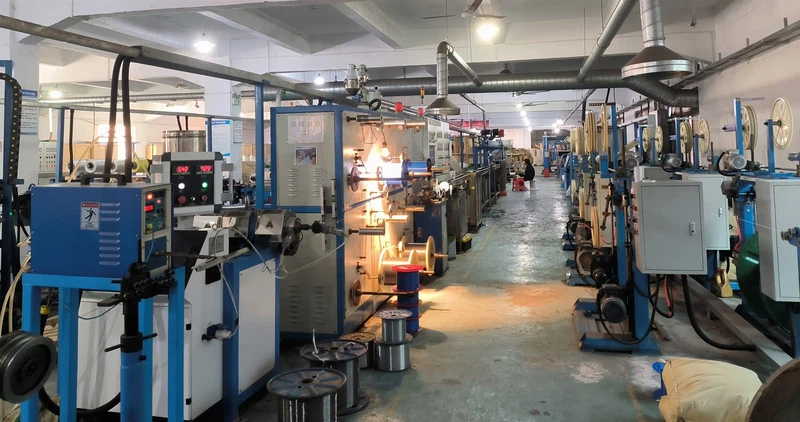
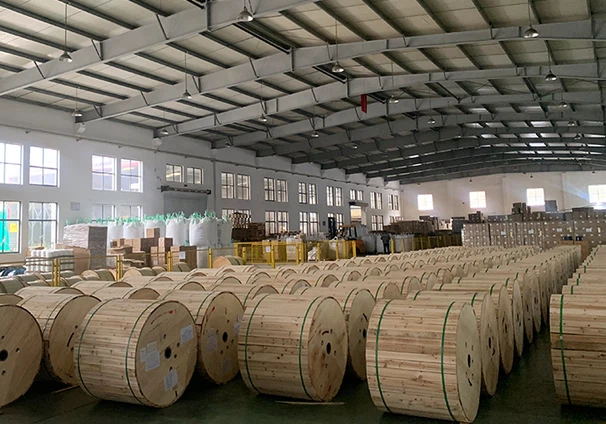
Hangzhou Junpu Optoelectronic Equipment Co.,Ltd . Which specializes in fiber to the home (FTTH) and HFC network for many years. Fiber optic communication equipment includes fiber optic terminal boxes, fiber optic splice boxes, FTTH optical drop-in lines, fiber optic patch cords, fiber optic splitters and EDFA wavelength division multiplexers. Junpu provides complete solutions of standard products or customized in FTTH field.
FAQ
Q: How do you test the integrity of a FOSC?
Q: What are the different types of fiber optic splice closures?
Q: What are the features of a fiber optic splice closure?
Q: How many fibers can a typical fiber optic splice closure accommodate?
Q: What is the working temperature range for a Fiber optic splice closure?
Q: How is a Fiber optic splice closure installed?
What is a Fiber optic splice closure?
A fiber optic splice closure is a device that protects and manages the spliced fiber optic cables. It is used to join two or more optical fibers and create a continuous path for light waves to travel between the fibers.
Q: What is the purpose of a fiber optic splice closure?
Q: Are fiber optic splice closures reusable?
Q: What tools are needed to install a fiber optic splice closure?
Q: How is a fiber optic splice closure sealed?
Q: What is the difference between a dome type and in-line type fiber optic splice closure?
Q: How is the quality of a fiber optic splice closure determined?
Q: Can a Fiber optic splice closure accommodate various splice tray sizes?
Q: How do you troubleshoot a FOSC?
Q: What are the safety precautions while using an FOSC?
Q: How does an FOSC protect against environmental elements?
Q: How is an FOSC water-resistant?
Q: What are the benefits of using an FOSC?
Q: How do you choose the right FOSC?
As one of the most professional fiber optic splice closure manufacturers and suppliers in China, we're featured by quality products and competitive price. Please rest assured to wholesale cheap fiber optic splice closure for sale here from our factory. Contact us for OEM service.
48 Core Dome Closure, 96 Core Dome Closure