










1. Fixation and protection functions of optical cables
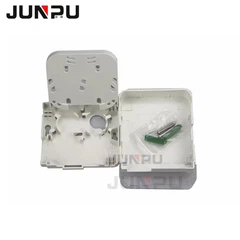
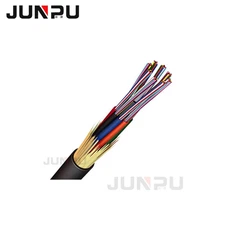
When introducing optical cables into equipment, reliable fixation and protection devices must be provided. The fixed metal moisture barrier layer, armor layer, and reinforcement core of the optical cable must be reliably connected to the high-voltage protective grounding device. After the optical cable is peeled off, it must be protected and fixed with plastic sleeves or spiral tubes to introduce the optical fiber fusion device.
The winding and binding of butterfly shaped optical cables must be natural and straight, without twisting, twisting, or other phenomena. Necessary fixing devices should be used to ensure that they are not subjected to external pressure or operational damage.
2. Termination function of optical cable cores: The equipment's optical cable termination device must facilitate the fusion, installation, and maintenance of optical cable fibers with optical cable fibers or tail fibers, and must also have storage space for surplus optical cable fibers.
3. Fiber optic fusion joint protection function: All fiber optic joint parts must be protected. After the fusion of optical fibers, the joint part must be protected with a fusion protective sleeve.
4. Applicability requirements for cable fibers: It must be able to apply optical cables that comply with GB, T 7424, ITU-T G.652 and ITU-T G.657, or compatible optical fibers, as well as butterfly optical cables for access networks specified in YD, T 1997-2009.
5. Fiber adjustment function: The tail fiber can quickly and conveniently schedule the fiber number in the optical cable and change the routing of the transmission system. The length of the tail fiber must meet the requirements of fiber adjustment operation.
6 Door locks: The door locks of the fiber optic distribution box must be of anti-theft structure and have good resistance to damage. All boxes must be reserved with backup traditional padlocks or other backup solutions