




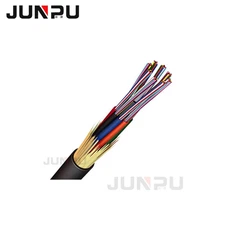


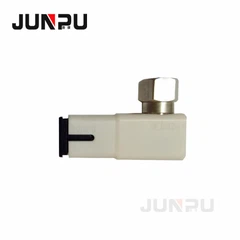







In the realm of telecommunications and data transmission, fiber optics has revolutionized the way information is sent, received, and processed. One critical aspect of maintaining and expanding fiber optic networks is the process of splicing fibers. But why splice fiber? This article delves into the reasons behind this essential practice.
The Importance of Fiber Optic Splicing
Fiber optic splicing is a technique used to join two or more optical fibers together. It's a crucial process for several reasons:
1. Continuity: As data travels through optical fibers, it's often necessary to join multiple fibers to cover long distances. Splicing ensures a seamless connection, allowing data to flow uninterrupted.
2. Signal Strength: Properly spliced fibers maintain a high level of signal strength, minimizing the loss of light and ensuring that data is transmitted efficiently.
3. Network Expansion: As demand for data grows, networks need to expand. Splicing allows new fibers to be added to existing networks without significant disruptions.
4. Repair: In the event of damage or breaks in the fiber, splicing is used to repair the connection, restoring functionality quickly.
Types of Fiber Optic Splicing
There are primarily two types of fiber optic splicing:
- Mechanical Splicing: This method involves aligning the fibers and using a mechanical connector to hold them together. It's quicker and easier to perform but may have higher attenuation compared to fusion splicing.
- Fusion Splicing: This technique uses an electric arc to melt the ends of two fibers, fusing them together. It provides a more permanent and lower-loss connection, making it the preferred method for many applications.
Advantages of Splicing
1. Durability: Spliced connections are robust and can withstand environmental factors such as temperature changes and physical stress.
2. Cost-Effectiveness: While the initial setup for fusion splicing can be expensive, the long-term benefits, including reduced maintenance and higher performance, make it a cost-effective choice.
3. Versatility: Splicing can be used in various settings, from telecommunications networks to cable television systems and even in medical applications like endoscopy.
4. Scalability: As networks grow, splicing allows for easy scalability. New fibers can be added, and existing ones can be extended, all with minimal downtime.
Challenges and Considerations
Despite its advantages, fiber optic splicing comes with its own set of challenges:
- Technical Skill: Both mechanical and fusion splicing require technical expertise. Proper training and experience are essential to ensure high-quality splices.
- Equipment Costs: Fusion splicing, in particular, requires specialized equipment that can be costly. However, the investment is often justified by the quality and durability of the splices.
- Environmental Factors: Splicing should ideally be done in clean, controlled environments to avoid contamination and ensure optimal performance.
Conclusion
Fiber optic splicing is an indispensable part of modern telecommunications and data networks. Its ability to provide continuous, high-quality connections makes it essential for everything from internet connectivity to advanced medical procedures. While there are challenges associated with splicing, the benefits far outweigh the drawbacks, making it a vital component of our increasingly connected world.
In summary, the question "why splice fiber?" can be answered with a myriad of advantages that enhance the reliability, efficiency, and scalability of fiber optic networks. As technology continues to evolve, the importance of splicing is likely to grow, further solidifying its role in the future of communication and data transmission.
Why Splice Fiber? A Comprehensive Guide
Nov 25, 2024
Leave a message