










When discussing the cost comparison between fiber splicing and welding, we need to analyze from multiple dimensions, including operating costs, equipment costs, efficiency, and maintenance costs.
Operation costs
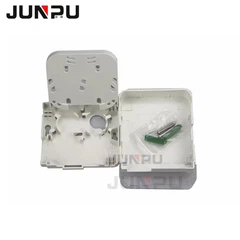
- Fiber splicing: Fiber splicing usually involves the use of fiber splicing equipment (such as fiber terminal boxes, fiber couplers, etc.), and the cost of these equipment and the construction costs may be relatively high. In addition, fiber splicing requires professional technicians to operate to ensure the quality and stability of splicing, which will also increase certain labor costs.
- Fiber welding: For fiber welding, especially using handheld fiber laser welding machines, the operation is relatively simple. Newcomers can take up their posts after a short training (such as 3 days) and can master the operation proficiently within a month. This reduces the dependence on professional technicians, thereby reducing labor costs.
Equipment costs
- Fiber splicing: The equipment required for fiber splicing mainly includes fiber splicing equipment, test instruments, etc. The initial investment of these equipment may be relatively low, but considering the subsequent maintenance and update costs, the overall cost may rise.
- Fiber welding: The price of fiber welding machines, especially handheld fiber laser welding machines, varies depending on factors such as brand and configuration. Generally speaking, the price of a general-purpose fiber laser welding machine may range from tens of thousands to hundreds of thousands. Although the initial investment may be high, considering its high efficiency and low maintenance cost, it may be more economical in the long run.
Efficiency and maintenance cost
- Efficiency: The welding efficiency of a handheld fiber laser welding machine can reach more than twice that of traditional welding, and the weld is smooth and delicate, which can save a lot of grinding and polishing time. This significantly improves production efficiency and reduces time costs.
- Maintenance cost: The maintenance of a handheld fiber laser welding machine is relatively simple. After completing the welding work, just turn off the power and clean the welding head to extend the service life of the protective mirror and copper nozzle. In addition to the parts that wear quickly, the machine mainly consumes electricity and gas, but the overall maintenance cost is low.
Comprehensive comparison
In terms of operating cost, equipment cost, efficiency and maintenance cost, fiber welding (especially using a handheld fiber laser welding machine) may have more advantages in cost. Although the initial investment of a fiber welding machine may be high, its high efficiency, low maintenance cost and simple operation requirements make the long-term cost lower. However, the specific method to be chosen depends on the actual application scenario, budget and long-term planning.