










Fiber optic technology has revolutionized communications systems around the world. These fiber optic cables use light to transmit data faster and more efficiently than traditional copper cables. Fiber optic cables come in many forms, such as fiber optic jumpers, fiber optic pigtails, fiber optic jumpers, etc. In this article, we will focus on the differences between fiber optic cables and fiber optic patch cords.
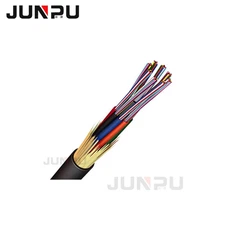
Optical cable refers to the cable that carries fiber optic signals. It includes the fiber optic bundle and the protective jacket surrounding it. There are two types of fiber optic cables: single-mode and multi-mode. Single-mode fiber optic cables are used for long-distance communications because they can carry signals over greater distances than multi-mode cables. Multimode cable is typically used for shorter distances.
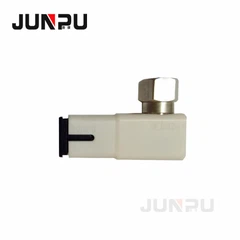
Fiber optic patch cords are fixed-size fiber optic cables with connectors on both ends. These connectors are used to connect different devices in a fiber optic network. They come in different connector types such as LC, SC, ST and FC connectors etc. These patch cords are used in applications such as data centers, telecommunications infrastructure, and other high-speed network applications.
Fiber optic cables are used for long-distance communications, while fiber optic patch cords are used to connect various devices over short distances. Fiber optic pigtails have only one RF connector and are widely used in telecommunications, broadband and cable TV networks. They are widely used in splicing, termination and other applications.
It is important to note that both fiber optic cables and fiber optic patch cords require careful handling and maintenance to ensure optimal performance. They need to be kept clean and protected from damage, as even minor problems can cause signal loss.