










Fiber is routinely installed outdoors thanks to it's effective signal transmission distance and high-bandwidth capability. And surprisingly, outdoor-rated fiber optic cables are often stronger and more durable than their copper counterparts.
However, choosing the proper cable can be daunting. This article examines the three most common outdoor fiber constructions: standard indoor/outdoor, ruggedized indoor/outdoor and armored direct burial.
All three formats can be built with either single mode or multimode fiber (single mode being far more common for several reasons -- learn more) and in a variety of strand counts.
Standard Indoor/Outdoor
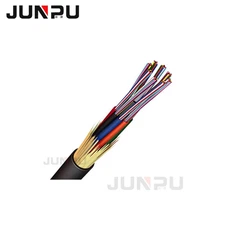
Standard indoor/outdoor fiber optic cables are among the most commonly integrated due to their low cost, easy handling during installation, and flexible environment rating.
They support direct transition between indoor and outdoor environments (meaning you can run the same cable inside and outside) and survive direct exposure to water and UV. However, standard indoor/outdoor cables lack a strong protective jacket and won't tolerate regular handling or abrasion. As such, they are typically installed in duct or conduit outdoors.
Ruggedized indoor/outdoor
Ruggedized indoor/outdoor fiber optic cables provide all the benefits of standard indoor/outdoor cable withadditional protection from abrasion, handling and rodents thanks to a thickened outer jacket.
Surprisingly, most ruggedized cables are even comparable in weight, bend-rating and overall jacket diameter,though they do command a premium price.
It's important to note most ruggedized cables are installed in duct or conduit below grade, especially in rockyenvironments or those prone to heavier abrasion. This is because regular strata movement from wind, freezingand other environmental factors will wear down a ruggedized jacket over time.
Outdoor Direct Burial
Outdoor direct burial cables provide the best protection from abrasion, handling and rodents thanks to internalmetal armoring. This armor, however, significantly increases cable cost, diameter, weight and rigidity.
At least two people are typically required for direct burial installation; whereas one person can easily handle astandard or ruggedized indoor/outdoor cable.
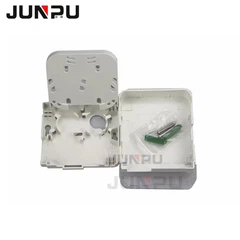
Additionally, direct burial cables should not be directly transitioned from outdoors to indoors, as they are notrated for in-wall installation. They are commonly terminated into an outdoor wallbox and then transitioned intoan indoor-rated cable using a coupler (view this application)
The greatest benefit of direct burial cables is they support burial directly in the ground (no conduit or ductrequired)even in harsh environments.