



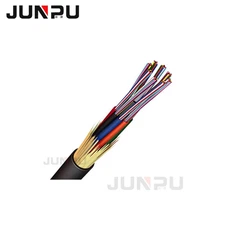








There are several signs that may indicate a bad fiber optic cable. These include a complete loss of signal, intermittent connectivity issues, reduced data transfer speeds, or a significant increase in error rates. Physical damage to the cable, such as cuts, kinks, or bends, can also be an indication of a problem. Additionally, if you notice any visible light leakage from the cable, it may suggest a fault. To determine if your fiber optic cable is bad, you can try connecting a different cable or device to see if the issue persists. It is also recommended to consult with a professional technician or service provider for further assistance in diagnosing and resolving the problem.
Visual inspection for physical damage or wear
How do I know if my fiber optic cable is bad? Visual inspection for physical damage or wear is one of the primary ways to determine if a fiber optic cable is faulty. Fiber optic cables are delicate and can be susceptible to damage from bending, crushing, or excessive tension. Therefore, it is essential to inspect the cable for any signs of physical damage.
During a visual inspection, you should look for any visible cracks, breaks, or fraying in the cable. Check the connectors at both ends of the cable for any signs of damage or contamination. If you notice any bent or misaligned connectors, it could indicate a problem.
Another aspect to consider during the inspection is the cleanliness of the cable. Dust, dirt, or other contaminants can affect the performance of the cable and lead to signal loss. Inspect the cable for any signs of dirt or debris that may have accumulated.
It is important to note that visual inspection alone may not provide a comprehensive assessment of the cable's condition. In some cases, the cable may appear fine visually but still have underlying issues affecting its performance. Therefore, it is recommended to use additional testing methods, such as using an optical power meter or an OTDR (Optical Time Domain Reflectometer), to accurately diagnose any potential problems.
In recent years, advancements in fiber optic technology have introduced more reliable and durable cable designs. These newer cables are often more resistant to physical damage and offer improved performance. Therefore, if you suspect a problem with your fiber optic cable, it is advisable to consult with a professional technician who can provide a more thorough analysis and recommend appropriate solutions.
Testing with a fiber optic cable tester or power meter
To determine if your fiber optic cable is bad, you can perform various tests using a fiber optic cable tester or power meter. These tools are specifically designed to measure the performance and integrity of fiber optic cables.
One common test is the Optical Time Domain Reflectometer (OTDR) test. This test sends a pulse of light into the fiber and measures the amount of light reflected back. By analyzing the reflected light, the OTDR can detect breaks, bends, or other faults in the cable. It can also provide information about the distance to the fault, allowing for targeted repairs.
Another test is the insertion loss measurement. This test measures the amount of light that is lost as it travels through the cable. Excessive loss can indicate a problem such as a damaged connector or a fiber break. The power meter is used in conjunction with a stable light source to measure the power level at different points along the cable.
Furthermore, a visual inspection can also be helpful in identifying potential issues. By visually examining the cable, you can look for physical damage such as cuts, kinks, or frayed fibers. Additionally, checking the connectors for dirt, dust, or damage is essential as these issues can impact the cable's performance.
It is worth noting that fiber optic testing technology is continually evolving, and new techniques and tools are being developed. Therefore, it is advisable to consult with a professional or refer to the latest guidelines and standards to ensure accurate testing and interpretation of results.
Checking for signal loss or degradation in data transmission
How do I know if my fiber optic cable is bad? Checking for signal loss or degradation in data transmission is a key indicator. Fiber optic cables are designed to transmit data over long distances at high speeds, but they can experience issues that affect their performance.
One way to check for a bad fiber optic cable is to monitor the signal strength. If you notice a significant decrease in signal strength, it could be an indication of a problem. This can be done using specialized equipment that measures the power levels of the transmitted signal. Any significant drop in signal strength could suggest a fault in the cable.
Another way to identify a bad fiber optic cable is by inspecting the cable itself. Look for any physical damage such as cuts, bends, or breaks. These can occur due to mishandling, environmental factors, or aging. If you notice any visible damage, it is likely that the cable needs to be replaced.
It is also important to regularly clean the connectors and inspect them for any dirt or damage. Dirty or damaged connectors can cause signal loss or degradation. Cleaning the connectors with appropriate tools and inspecting them for any signs of wear and tear can help identify potential issues.
In addition, performing regular network testing and monitoring can help detect any anomalies in data transmission. This can be done using tools that measure the quality of the signal and identify any errors or inconsistencies.
It is worth noting that fiber optic cables are generally reliable and can last for many years without issues. However, regular maintenance, inspection, and monitoring are essential to ensure optimal performance and identify any potential problems.
Conducting a continuity test to ensure proper connectivity
Conducting a continuity test is one of the most effective ways to determine if your fiber optic cable is bad. This test helps ensure proper connectivity and identifies any faults or breaks in the cable.
To perform a continuity test, you will need a fiber optic continuity tester or an optical time-domain reflectometer (OTDR). These tools send a light signal through the cable and measure the light that is reflected back. If the cable is intact and functioning properly, the light should travel through without any interruptions or significant loss.
During the test, you will connect one end of the cable to the tester/OTDR and the other end to a termination point or a known good cable. The tester will then analyze the light signal and provide information about the cable's condition. If there is a break or fault in the cable, the tester will indicate a loss of signal or abnormal reflection.
It's important to note that conducting a continuity test requires some technical knowledge and the appropriate equipment. If you are unsure about performing this test yourself, it is recommended to consult a professional or a technician who specializes in fiber optic installations and repairs.
Additionally, it's worth mentioning that fiber optic cables can also experience issues due to external factors such as physical damage, excessive bending, or environmental conditions. Therefore, it is essential to regularly inspect the cable for any visible signs of damage and ensure it is properly protected and maintained.
In conclusion, conducting a continuity test is a reliable method to determine if your fiber optic cable is bad. However, if you are unsure or lack the necessary expertise, it is best to seek assistance from a professional to accurately diagnose and resolve any issues with your fiber optic cable.
Consulting with a professional technician for expert evaluation
Consulting with a professional technician for expert evaluation is the best way to determine if your fiber optic cable is bad. Fiber optic cables are complex systems that require specialized knowledge and equipment to diagnose and repair. While there are some common signs that may indicate a faulty cable, such as slow or intermittent internet connectivity, it is crucial to seek professional assistance for an accurate evaluation.
A professional technician will have the expertise and tools necessary to diagnose the problem with your fiber optic cable. They will conduct thorough testing to identify any issues, such as signal loss, cable damage, or faulty connectors. This evaluation may involve using specialized equipment like an optical time-domain reflectometer (OTDR) to measure the loss and reflectance along the cable.
Furthermore, a professional technician can provide the latest point of view on fiber optic technology and standards. Fiber optic technology is constantly evolving, and a technician will be up-to-date with the latest advancements and best practices. They can assess the overall health of your fiber optic infrastructure and suggest any necessary upgrades or improvements to ensure optimal performance and reliability.
Attempting to diagnose or repair a fiber optic cable yourself can be risky and may lead to further damage if not done correctly. It is always recommended to rely on the expertise of a professional technician who can accurately evaluate the condition of your fiber optic cable and provide appropriate solutions.