



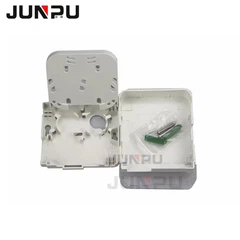







Fiber optic splice box maintenance is essential to ensure its long-term stable operation. Here are some recommended maintenance cycles:
1. Daily inspection
- Frequency: Once a week
- Content: Check whether the appearance of the splice box is damaged, whether the connection is firm, and whether there is obvious dust or dirt. Ensure that the splice box is well sealed to prevent moisture and dust from entering.
2. Cleaning and maintenance
- Frequency: Once a month
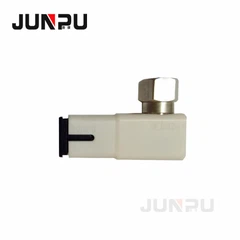
- Content: Use a clean soft cloth or cotton swab to clean the inner and outer surfaces of the splice box, especially the fiber optic connectors and connection parts. Avoid using cleaning agents containing corrosive chemicals.
3. Functional test
- Frequency: Once a quarter
- Content: Test the fiber connection in the splice box to ensure normal signal transmission. Check the sealing performance of the splice box and replace the sealing ring or sealant if necessary.
4. Comprehensive inspection
- Frequency: Once a year
- Content: Perform comprehensive inspection and maintenance, including disassembling the splice box, checking whether the internal components are worn or damaged, cleaning the internal fiber connectors and connection parts, reassembling and testing various functions.
5. Environmental inspection
- Frequency: Once every six months
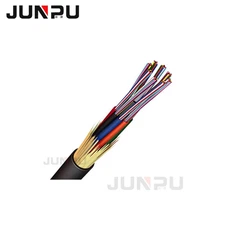
- Content: Check the humidity, temperature and cleanliness of the splice box installation environment to ensure that the environmental conditions meet the equipment requirements. Check whether the cables and connecting wires around the splice box are damaged or aged.
6. Record maintenance logs
- Frequency: After each maintenance
- Content: Record the time, content, problems found and treatment measures of each maintenance. The maintenance log helps to track the status of the equipment and detect potential problems in time.
The above recommended maintenance cycle can ensure the long-term stable operation of the fiber splice box, reduce the probability of failure, and extend the service life of the equipment.