



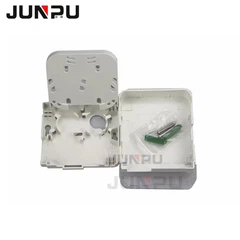








Fiber optic splice closures play a vital role in fiber optic communication networks. They are used to protect fiber optic splices from the external environment. However, as time goes by and external conditions change, fiber optic splice closures may experience some common maintenance problems. This article will explore these problems and their solutions.
1. Contamination Problems
Contamination inside fiber optic splice closures is a common problem. Dust, moisture, and other contaminants may enter the closure, causing the performance of fiber optic splices to deteriorate. To prevent contamination, the sealing of the fiber optic splice closure should be checked regularly, and proper dust prevention measures should be taken when the closure cover is opened. In addition, the use of high-quality sealing materials and dust covers can also effectively reduce the occurrence of contamination.
2. Physical Damage
Fiber optic splice closures may be damaged by external physical forces. For example, heavy objects pressing on the closure or the closure body being hit may cause the closure body to crack or deform. To avoid this, a sturdy and durable fiber optic splice closure should be selected and installed in a safe location away from places where physical damage may occur. At the same time, it is also very important to check the integrity of the closure body regularly.
3. Loose Connectors
Loose fiber optic connectors are another common problem. Loose joints can cause unstable optical signal transmission or even complete interruption. To prevent loose joints, ensure that each joint is firmly connected during installation. In addition, regularly checking the tightness of the joints and tightening loose joints in time can effectively avoid this problem.
4. Temperature influence
Temperature changes can also affect the performance of the fiber optic splice box. Extreme high or low temperatures may cause expansion or contraction of the materials in the box, thereby affecting the stability of the fiber optic splice. In order to reduce the impact of temperature on the fiber optic splice box, a fiber optic splice box made of materials with good temperature resistance should be selected, and the box body should be installed in a place where the temperature is relatively stable.
5. Moisture intrusion
Moisture intrusion into the fiber optic splice box can cause corrosion and performance degradation of the fiber optic splice. To prevent moisture intrusion, ensure that the fiber optic splice box has good sealing performance and use waterproof tape or other waterproof materials during installation. In addition, regularly checking the sealing of the box body and replacing the aging sealing material in time can effectively prevent moisture intrusion.
6. Excessive bending of the optical fiber
Excessive bending of the optical fiber can increase the transmission loss of the optical signal and may even damage the optical fiber. In order to prevent excessive bending of optical fiber, the correct operating procedures should be followed when installing optical fiber to avoid excessive bending of optical fiber. At the same time, regular inspection of the bending of optical fiber and timely adjustment of the excessively bent part can effectively avoid this problem.
Conclusion
The maintenance of optical fiber splice closure is essential to ensure the stable operation of optical fiber communication network. Through regular inspection and maintenance, the above common problems can be effectively prevented and solved, thereby extending the service life of optical fiber splice closure and improving the reliability and performance of optical fiber communication network.