




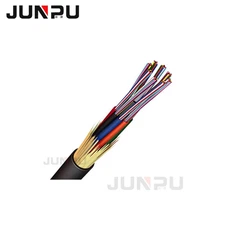










Optical fibers are a special type of cable used to transmit optical signals. They are widely used in various communication systems, including the Internet, telephone networks, and television broadcasting. However, there is no simple answer to the question of whether optical fibers can be spliced.
First, we need to understand what optical fiber splicing is. Optical fiber splicing refers to connecting two sections of optical fiber together to achieve continuous transmission of optical signals. This operation is usually performed during the installation of optical fibers, and splicing is required when two sections of optical fiber need to be connected.
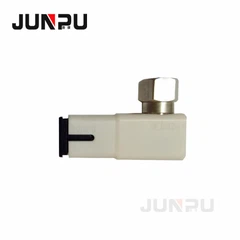
There are two main ways to splice optical fibers: fusion splicing and mechanical splicing. Fusion splicing is to melt the end faces of two sections of optical fiber by heating and form a continuous optical fiber after cooling. The advantage of this method is that it can achieve low-loss optical signal transmission, but it requires professional equipment and technology. Mechanical splicing connects two sections of optical fiber together by using special connectors. The advantage of this method is that it is simple to operate and does not require professional equipment, but it may cause a certain amount of optical signal loss.
However, optical fiber splicing is not always possible. This depends on many factors, including the type of optical fiber, the quality of the optical fiber, the length of the optical fiber, and the environment in which the optical fiber is used. For example, some types of optical fibers may not be suitable for splicing because their physical properties may cause the quality of optical signal transmission after splicing to deteriorate. In addition, if the quality of the optical fiber is poor or the length of the optical fiber is too long, it may also affect the effect of optical fiber splicing.
In general, whether optical fiber can be spliced depends on many factors. In some cases, optical fiber splicing is an effective solution to achieve continuous transmission of optical signals. But in other cases, other solutions may need to be sought, such as using higher quality optical fibers or changing the environment in which the optical fibers are used. Therefore, before performing optical fiber splicing, all relevant factors need to be carefully evaluated to ensure that the spliced optical fiber can meet the expected performance requirements.